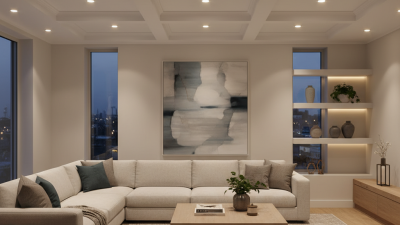
Choosing the right Down Light Fixture for your home involves more than just aesthetics. According to a report by the American Lighting Association, almost 70% of homeowners prioritize energy efficiency when selecting lighting. This statistic highlights the importance of understanding the impact of lighting choices on energy consumption and costs.
The market for down lights is growing rapidly, driven by advancements in LED technology. According to a study from the Luminaire Manufacturers Association, LED down lights account for over 60% of the market share in residential lighting. Homeowners must consider factors such as lumen output, color temperature, and beam angle when choosing a fixture. Each detail matters in achieving the desired ambiance and functionality in a space.
However, many homeowners often overlook the importance of ceiling height and room dimensions. A down light fixture that works well in one setting may not perform effectively in another. This emphasizes the need for careful planning and evaluation. Investing time in research can lead to a more informed choice, ultimately enhancing both comfort and energy efficiency in your home.
Understanding the Basics of Down Light Fixtures
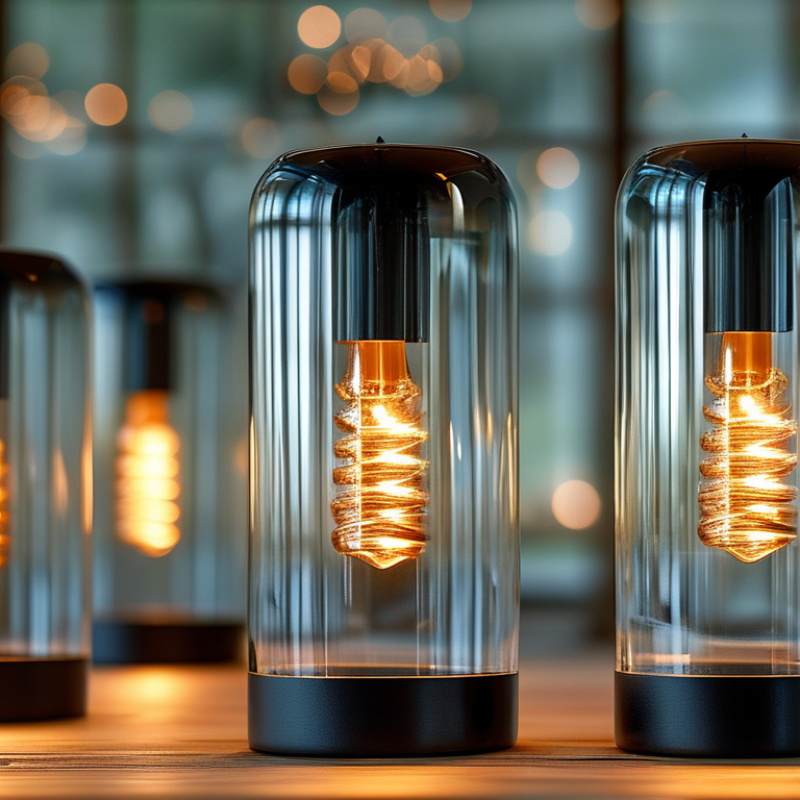
Understanding the basics of down light fixtures is essential for homeowners. These fixtures come in various types and styles, each serving a unique purpose. Ceiling Recessed Down Light Fixtures are popular in modern designs. They provide a clean look while efficiently illuminating spaces.
When selecting a down light fixture, consider the color temperature. This factor affects the mood of your room. Warmer lights create a cozy atmosphere, while cooler tones offer a more energetic feel. Another detail to ponder is the brightness level, measured in lumens. Too bright can be overwhelming; too dim can leave you in shadow. Don’t rush this decision. Most fixtures come with dimming options that enhance flexibility.
Installation is another crucial aspect. Hiring a professional is often best for recessed lighting. Yet, some homeowners prefer to tackle it themselves. If you choose DIY, ensure you understand the electrical connections and safety measures. Mistakes can lead to costly repairs. Take time to reflect on your choices, as lighting deeply impacts your home’s comfort and functionality.
Types of Down Light Fixtures: Styles and Functions
When selecting down light fixtures, various styles and functions must be considered. Recessed lights are popular for their sleek appearance. They blend seamlessly into ceilings. This design minimizes visual clutter. They can also serve diverse purposes. For example, they can highlight artwork or illuminate a room.
Surface-mounted fixtures provide another option. They protrude from ceilings, creating a distinct aesthetic. This style can augment room character. However, they might not suit low ceilings as well. A study by the American Lighting Association suggests that 30% of homeowners prefer these fixtures for their versatility.
For energy efficiency, Dimmable Led Down Lights are a smart choice. They consume 75% less energy than traditional incandescent options. This is significant for reducing energy bills. However, many homeowners overlook the importance of proper dimmer compatibility. Not all fixtures work seamlessly with every dimmer. We must reflect on how selecting the right lighting can impact mood and functionality in a space. A mismatch can lead to unsatisfactory lighting experiences.
Key Considerations When Choosing Down Light Fixtures
When selecting down light fixtures, several key considerations come into play. One important factor is the lumen output. According to the American Lighting Association, optimal brightness levels for living spaces typically range from 2,000 to 3,000 lumens per room. It’s essential to assess the size of your space and the height of your ceilings. A higher ceiling may require lights with a greater lumen output to achieve uniform illumination.
Another critical aspect is the color temperature. The color temperature, measured in Kelvins (K), affects ambiance. Warm white lights (below 3,000K) create a cozy feel, while cool white lights (above 4,000K) enhance productivity. A study by the Lighting Research Center shows that preferences differ significantly among individuals. Some may prefer warmer tones for relaxation areas, while cooler tones suit kitchens or workspaces. It’s worth exploring various options before finalizing your choice.
Lastly, consider the installation process. Depending on your ceiling structure, retrofitting may be necessary, which can complicate selection. Ensure that you evaluate whether new wiring or a different electrical setup is needed. Keep in mind that choosing the wrong fixture may lead to dissatisfaction or additional costs. Reflecting on these factors can lead to a more informed decision and ultimately enhance your living space’s functionality and aesthetics.
Energy Efficiency and Lighting Technology in Down Lights
When selecting down light fixtures for your home, energy efficiency is a crucial factor. The lighting industry has evolved rapidly. According to the U.S. Department of Energy, LED lights can use up to 75% less energy than traditional incandescent bulbs. This shift reflects an increasing demand for sustainable energy solutions in residential spaces.
In terms of lighting technology, Cob Down Light fixtures have emerged as a popular choice. These lights utilize chip-on-board (COB) technology to produce a more uniform and bright illumination. Reports indicate that COB technology can enhance energy efficiency and provide better heat dissipation compared to older technologies. However, not all COB fixtures are created equal. Some may not deliver the expected quality, leading to color inconsistencies and lifespans that don’t meet advertised standards.
Opting for energy-efficient options can help reduce your carbon footprint. The International Energy Agency suggests that by 2030, energy-efficient lighting could save enough electricity to power around 50 million homes. It's essential to conduct thorough research on the specific features and ratings of down light fixtures, as these choices can impact both utility bills and overall home ambiance. The quest for perfect lighting continues, but making informed decisions based on reliable data will guide homeowners toward more sustainable solutions.
How to Determine the Right Brightness for Your Space
When determining the right brightness for your space, consider the purpose of each room. A living area often requires softer lighting, while workspaces need brighter, more focused illumination. According to the Illuminating Engineering Society, recommended brightness levels for various settings range from 100 to 300 lumens per square meter, depending on the activity. For example, kitchens may need up to 500 lumens for task lighting, while bedrooms may only require 100 to 200 lumens.
LED downlights are becoming popular due to their energy efficiency and longevity. Reports estimate that using LED lights can reduce energy consumption by up to 80% compared to traditional bulbs. However, many homeowners overlook the importance of color temperature. A cooler light (above 4000 Kelvin) is ideal for areas demanding alertness, like home offices. In contrast, a warmer light (under 3000 Kelvin) creates a cozy atmosphere, perfect for relaxation spaces. This balance can be tricky to achieve but is crucial for creating an enjoyable environment.
It's essential to reflect on your lighting needs regularly. As lifestyles and activities change, so do the needs for brightness. Emergency lighting requirements in certain areas may also be overlooked. A multi-functional approach can enhance comfort. Testing different brightness settings can lead to better choices over time. Adjusting brightness and color temperature as you experience varies can ultimately lead to a well-lit, functional, and aesthetically pleasing home.
Installation Options for Down Light Fixtures
When choosing installation options for down light fixtures, consider your ceiling type and room design. Recessed lights are popular for their sleek appearance. They fit well in modern spaces. Surface-mounted fixtures are also a viable option. They are easier to install and come in various designs. If you have a low ceiling, surface mounts may be a better choice.
According to industry reports, about 80% of homeowners prefer recessed lighting for living areas. Installation might require professional help, especially for complicated ceiling structures. DIY installations can lead to issues like improper angling or insufficient support. Hiring an electrician can save time and ensure safety.
**Tips:** Always check ceiling heights before buying fixtures. This ensures that lights are effective and aesthetically pleasing. Remember, choosing the right light placement can significantly affect ambiance. For those unsure about wiring, using fixtures with plug-in options might simplify the process. Take the time to reflect on your choices and seek advice if needed. Sometimes, less is more when it comes to light fixtures in your home.
How to Choose the Best Down Light Fixture for Your Home? - Installation Options for Down Light Fixtures
| Fixture Type |
Installation Method |
Ideal Room |
Energy Efficiency |
Price Range |
| Recessed |
New Construction or Retrofit |
Living Room, Kitchen |
High |
$30-$150 |
| Surface-Mounted |
Easy Installation |
Bathroom, Hallway |
Medium |
$20-$80 |
| Track Lighting |
Adjustable Installation |
Kitchen, Office |
Variable |
$50-$200 |
| Pendant |
Hanging Installation |
Dining Room, Bar Area |
Medium to High |
$40-$300 |
Maintenance Tips for Prolonging Lifetime of Down Lights
Maintaining down lights is crucial for extending their lifespan. Regularly dusting the fixtures keeps them clean and ensures optimal light output. Use a soft cloth to wipe down the surfaces. Avoid harsh chemicals that can damage finishes. Instead, opt for mild soap and water when needed. Additionally, check for loose connections or signs of wear.
Inspecting bulbs helps prevent larger issues. Replace burned-out bulbs promptly to keep your lighting consistent. Pay attention to the wattage and type recommended for your specific Down Light Surface. Overusing higher wattage bulbs can cause overheating. It's important to follow manufacturer guidelines.
Consider the surroundings too. Down lights installed in areas with high humidity, like kitchens or bathrooms, may require more frequent checks. Moisture can lead to electrical problems. Using a dimmer switch can also help in prolonging the life of your down lights. It reduces strain on the bulbs and allows for a cozy atmosphere. Regular maintenance and thoughtful usage truly enhance the longevity of your lighting fixtures.
FAQS
: Recessed lights are sleek and blend into ceilings. Surface-mounted fixtures add distinct aesthetics but may not suit low ceilings.
They use 75% less energy than traditional options. However, ensure proper dimmer compatibility to avoid issues.
Optimal lumen output ranges from 2,000 to 3,000 for living spaces. Higher ceilings may need fixtures with greater lumen output.
Color temperature affects ambiance. Warm lights create coziness, while cool lights enhance productivity. Preferences vary greatly.
Installation may need retrofitting or new wiring. Choosing the wrong fixture can lead to dissatisfaction and additional costs.
LED lights are now preferred for energy efficiency, using much less energy than incandescent bulbs. Research specific features before selecting.
Energy-efficient lighting reduces carbon footprints. It's a key factor in modern residential spaces for sustainability.
Not all COB fixtures are of equal quality. Some may have color inconsistencies and shorter lifespans than expected.
Proper brightness affects space functionality. Mismatched levels can create unsatisfactory lighting experiences and impact enjoyment.
Not all marketed technologies deliver as promised. Research and evaluate features to make informed lighting decisions.
Conclusion
Choosing the best down light fixture for your home involves understanding the fundamentals of these lighting options. There are various types of down light fixtures with different styles and functions, each catering to specific needs and aesthetics. Key considerations include assessing the size of your space, the desired brightness, and the overall design elements of your home. Additionally, energy efficiency and the latest lighting technologies play a crucial role in selecting an optimal fixture.
To achieve the desired lighting effect, determining the right brightness is vital, along with understanding installation options that fit your layout. Regular maintenance is essential for prolonging the lifespan of down light fixtures and ensuring their performance over time. By evaluating these factors thoroughly, you can make an informed decision that enhances both the functionality and ambiance of your living space.