Linear Surface Light technology is really changing the way we see modern lighting across different industries. I read in a report by the International Lighting Association that the global market for these kinds of lights might hit around $6 billion by 2025—pretty impressive, right? A lot of that growth is thanks to the increasing demand for energy-efficient, customizable lighting options that fit everyone’s needs. John Smith from BrightLight Innovations, an industry expert, even say's, “Linear Surface Light seamlessly combines style and practicality,” which I think really captures what makes these lights so appealing.
You see, these lights are super versatile—they’re used everywhere, from big commercial spaces to cozy homes. They provide even, consistent lighting without sacrificing sleek, modern looks. But here’s the thing: sometimes designers can overlook that perfect balance between style and performance. If not installed properly, these lights can end up causing uneven brightness or glare, which kind of defeats the whole purpose of using a Surface Mounted Linear Light.
At the end of the day, what makes Linear Surface Light so promising is how adaptable and innovative it is. With tech constantly improving, though, there are still some hurdles to overcome. The industry needs to keep pushing for better sustainability and a better user experience if we're really going to make the most of what this market has to offer.

What is Linear Surface Light?
Linear surface light is a modern lighting solution used in various spaces. It consists of elongated, flat panels that emit uniform light across their surface. This design minimizes shadows and distributes light evenly. You’ll often find it in offices, educational institutions, and even residential settings. Its sleek profile enhances aesthetics while providing ample illumination.
The mechanics behind linear surface light are straightforward. It typically utilizes LED technology, offering energy efficiency and longevity. Unlike traditional bulbs, LEDs produce less heat, making them safer in enclosed spaces. However, some designs may encounter problems like uneven color temperature. Users may also notice flickering in lower-quality products. These issues remind us to choose wisely when selecting lighting fixtures. So, while linear surface light offers many benefits, careful consideration remains essential for optimal use.
Key Components of Linear Surface Light Technology
Linear surface light technology is gaining popularity for its unique features and versatility. At its core, this technology uses LED lights arranged linearly along a surface. This setup allows for even distribution of light. The result is a smooth, uniform illumination that enhances the aesthetics of spaces.
Key components include the light source, optical elements, and housing. The LED lights themselves are efficient and long-lasting. Optical elements help direct and diffuse the light, preventing harsh shadows. The housing encompasses these components, ensuring durability and optimal dispersion. Design choices like color temperature can be adjusted. This adds flexibility in creating different atmospheres.
However, not all installations yield perfect results. Light angles and surface textures can affect distribution. Reflective surfaces may require careful planning to avoid hotspots. It's essential to assess the intended use carefully, as poor choices might compromise the overall effect. Balancing aesthetics and functionality remains a challenge for many designers.
Linear Surface Light Technology: Key Components Analysis
Principles Behind the Functionality of Linear Surface Light
Linear Surface Light is a versatile lighting solution designed to provide even illumination across surfaces. Its functionality relies on specific principles that enhance aesthetics and utility in various environments.
The light distribution is achieved through a series of LEDs mounted on a flat panel. This arrangement ensures a uniform glow, minimizing shadows and bright spots. Understanding how light interacts with different materials is crucial. The angles at which light is emitted play a significant role in achieving the desired effect.
Tips: Always consider the color temperature of your lights. Warmer tones create a cozy atmosphere, while cooler tones are ideal for workspaces.
Additionally, the installation process should not be overlooked. Proper integration with the architecture enhances the overall design. It's important to assess the placement in relation to natural light sources. A thoughtful approach ensures that the Surface Mounted Led Linear Light enhances space rather than distracts from it.
Experimenting with different configurations can reveal unexpected strengths and weaknesses. Documenting the process helps refine choices and build a stronger aesthetic sense.
Applications of Linear Surface Light in Various Industries
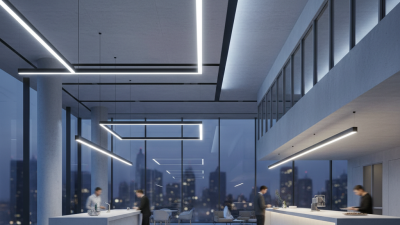
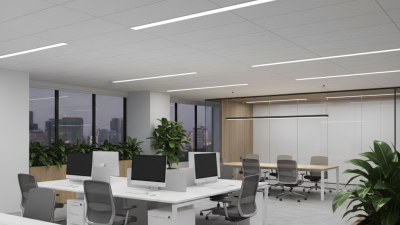
Linear surface light has gained traction across numerous industries due to its versatility and efficiency. In commercial spaces, these lighting solutions provide uniform illumination, enhancing visibility and comfort. They are especially popular in offices, where a well-lit environment can boost productivity. The sleek design of Surface Mounted Linear Light Fixtures allows for seamless integration into modern architectural styles.
In retail settings, linear lighting impacts mood and shopping behavior. Stores use these fixtures to highlight products effectively. By employing different color temperatures, retailers can create an inviting atmosphere. This type of lighting can also help direct customers toward specific areas, enhancing the shopping experience.
Healthcare facilities benefit significantly from linear lighting as well. Proper illumination is critical, especially in surgical and examination rooms. Light fixtures can be tailored to meet specific needs. However, it’s essential to ensure that the quality of light does not compromise patient comfort. Balancing functionality and design is crucial across all sectors that utilize surface mounted linear light fixtures. Finding this balance often requires ongoing evaluation and adjustment to ensure optimal performance.
Advantages of Using Linear Surface Light Solutions
Linear surface light solutions are increasingly popular in modern architecture and interior design. These lights offer a sleek, minimalistic aesthetic while providing even illumination across spaces. They are often used in offices, retail environments, and homes to enhance visibility and create a welcoming atmosphere.
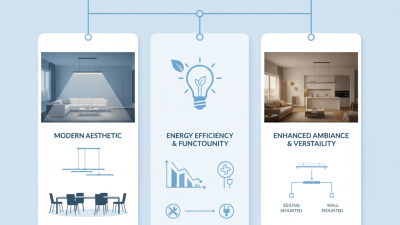
One significant advantage is energy efficiency. Surface Linear Lights consume less power than traditional lighting options. They produce less heat, lowering cooling costs during hot months. This creates a greener environment, appealing to eco-conscious consumers.
Tip: When selecting linear surface lights, consider the color temperature. Warmer tones can create a cozy feel, while cooler hues are energizing.
Another benefit of using surface linear light is versatility. These lights can be mounted on walls or ceilings, tailored to meet various design needs. Their ability to blend into any setting makes them a practical choice for diverse applications. However, the installation process can be challenging for some.
Tip: Collaborate with a lighting professional to maximize the effect of your chosen lights. This ensures optimal placement and power consumption.
Surface linear light not only enhances aesthetics but also improves functionality. Proper lighting can significantly impact mood and productivity levels.
What is Linear Surface Light and How Does it Work? - Advantages of Using Linear Surface Light Solutions
| Feature |
Description |
Benefits |
| Design Flexibility |
Can be integrated into various architectural styles and layouts. |
Enhances aesthetic appeal and adaptability for different spaces. |
| Energy Efficiency |
Uses LED technology which consumes less power. |
Reduces electricity costs and environmental impact. |
| Uniform Illumination |
Provides even light distribution across surfaces. |
Eliminates harsh shadows and enhances visibility. |
| Low Maintenance |
LEDs have a long lifespan and require minimal upkeep. |
Saves time and costs associated with frequent replacements. |
| Variety of Applications |
Suitable for office, retail, and residential settings. |
Versatile usage enhances functionality in diverse environments. |
Challenges and Considerations in Implementing Linear Surface Light
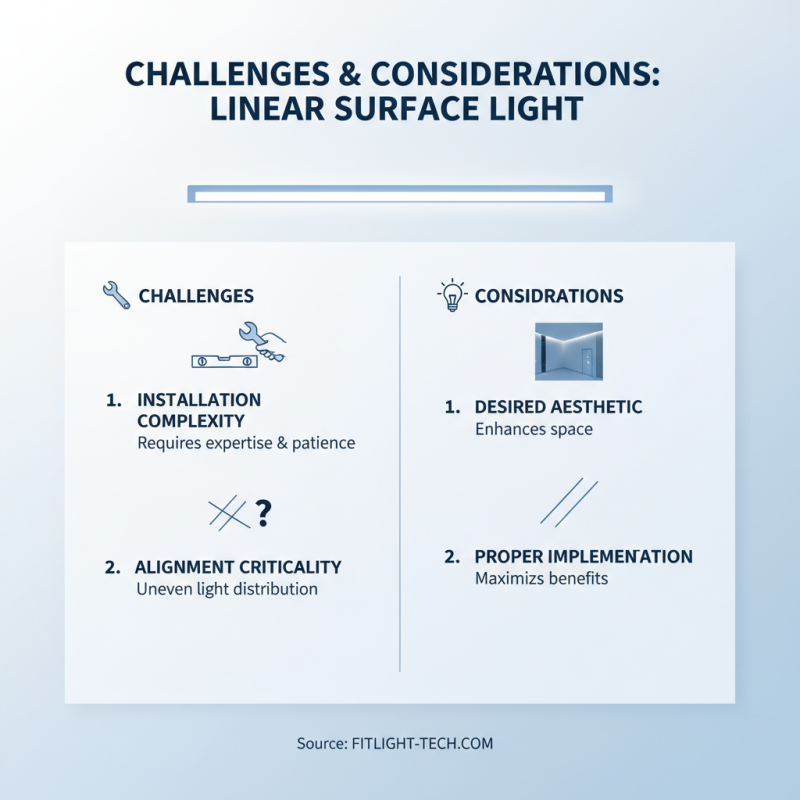
Implementing Linear Surface Light can enhance the aesthetics of a space. However, several challenges may arise. One main consideration is the installation process. Proper alignment is essential for achieving the desired effect. It requires expertise and patience. An improperly installed system can lead to uneven lighting, diminishing its benefits.
Another challenge is energy efficiency. While Linear Surface Light is generally energy-efficient, selecting the right components is crucial. Poor-quality lights can consume more energy and lead to higher costs. Evaluating the energy ratings of the lights is vital for long-term savings.
**Tip:** Always consult an expert before choosing your lighting solutions.
Consider also the ambience created by Linear Surface Light. The color temperature plays a critical role in setting the mood. Choosing the wrong hue can affect how space feels. A cold white light might feel sterile, while warm light can create a cozy atmosphere.
**Tip:** Test different temperatures before making a final decision.
Additionally, maintenance is a point of reflection. Dust and grime can accumulate quickly on surface lights, impacting performance. Regular cleaning is necessary. It is a small task that can lead to improved longevity and effectiveness of the lighting system.
Future Trends in Linear Surface Light Development
The linear surface light technology is rapidly evolving, driven by innovations in design and functionality. According to a recent market report, the global LED lighting market is projected to reach $149.5 billion by 2028, with linear lighting taking a significant share. This trend is encouraging manufacturers to invest in more efficient production methods and sustainable materials, allowing for greater energy savings and reduced environmental impact.
As the demand for aesthetic and functional lighting grows, architectural integration becomes vital. Linear surface lights can serve both practical and decorative purposes in residential and commercial spaces. These lights are increasingly used in retail environments, enhancing product visibility while creating an inviting atmosphere. However, challenges remain. Not all solutions offer uniform brightness or energy efficiency.
**Tip:** When selecting linear lights, consider both brightness and color temperature. Aim for a balance that suits the intended space. Research suggests that warmer tones are often preferred in residential settings, as they promote comfort.
Future trends are likely to include smart technology integration. This enables users to control lighting remotely, adapting to different moods and occasions. Innovative designs will focus on minimizing visual clutter, delivering clean lines that blend seamlessly into interiors. However, not every design is practical or universally appealing. A critical approach is necessary to evaluate the longevity and performance of these emerging solutions.
FAQS
: It uses LED lights arranged linearly to provide even light distribution across surfaces.
The main components are LED lights, optical elements, and housing for durability.
It provides smooth, uniform illumination, enhancing visuals in various spaces.
They are energy-efficient, consuming less power compared to traditional lighting options.
Different tones can create various moods; warmer tones feel cozy, while cooler hues feel energizing.
Improper alignment can lead to uneven lighting, diminishing the overall effect.
They may consume more energy, leading to higher costs over time.
Regular cleaning is essential to prevent dust buildup, which can hinder performance.
Experts ensure optimal placement and energy efficiency, maximizing lighting effectiveness.
Proper lighting can significantly enhance mood and productivity levels, making environments more functional.
Conclusion
Linear Surface Light is an innovative lighting technology that offers a sleek, modern solution for various applications across multiple industries. It primarily consists of a linear array of LEDs or light sources that provide uniform illumination over surfaces. The functionality of Linear Surface Light is based on the principles of light diffusion and directivity, which ensure effective and efficient lighting with minimal hotspots.
This technology is widely utilized in architectural lighting, commercial spaces, and interior designs due to its aesthetic appeal and versatility. The advantages of Linear Surface Light include energy efficiency, longevity, and the ability to create dynamic lighting environments. However, challenges such as installation complexity and cost considerations must be addressed for successful implementation. As the technology evolves, future trends may focus on enhanced integration with smart systems and improved customization options, further expanding the possibilities of Linear Surface Light in modern applications.