


0102030405
2026 North America LED Linear Lighting Trends: Integration of Energy Efficiency and Smart Technology
2026-07-16
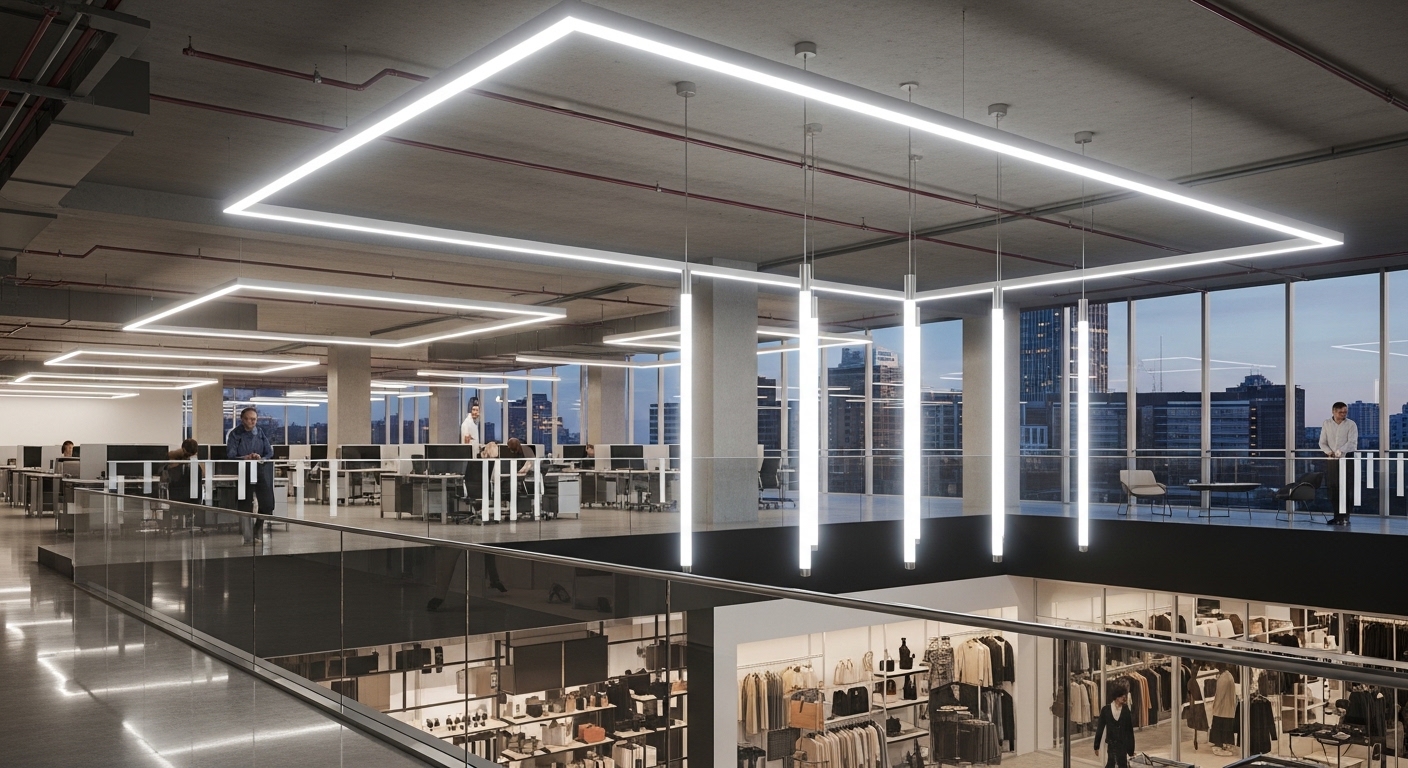
Part 1: Cutting-Edge Energy-Saving Technologies
High-Grade Next-Gen LED Chips
Equipped with premium LED chips sourced from Lumileds and Cree, our LINEAR LIGHT deliver luminous efficacy as high as 200 lm/W, cutting power consumption by 30% relative to conventional LED lighting. The streamlined LINEAR LIGHT housing delivers even light spread while curbing unnecessary optical energy loss.
Intelligent Dynamic Dimming Framework
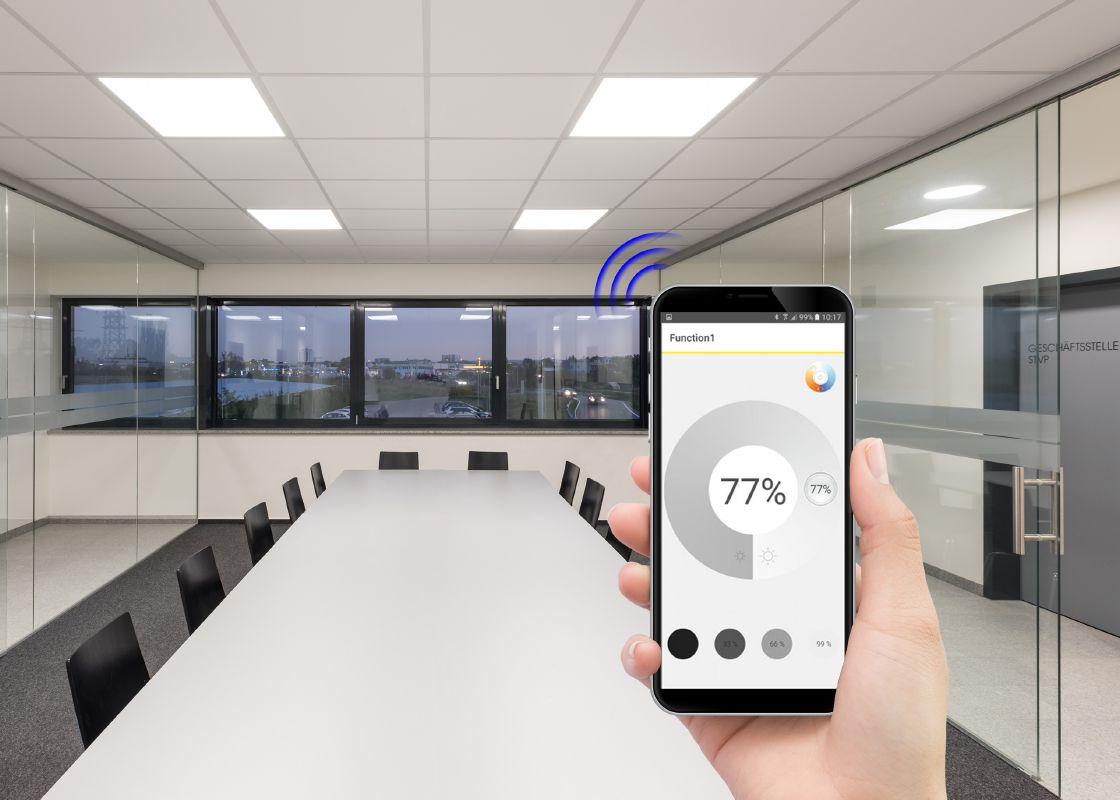
AI-linked ambient light sensors autonomously regulate fixture brightness according to surrounding illumination levels, delivering up to 50% total energy savings. As a proven example, Philips Hue LINEAR LIGHT leverage Bluetooth mesh networks to optimize power usage in long corridors and large warehouse facilities.
Cold-Forged Aluminum Thermal Dissipation
Extruded aluminum heat sink architecture maintains steady fixture operation even under extreme temperatures as low as -40°C. Longer LED service lifespans drastically lower long-term maintenance expenses—an invaluable benefit for North American regions prone to harsh seasonal weather.
Part 2: Seamless Smart System Integration
Universal Multi-Protocol Compatibility
The full product lineup supports Zigbee, Wi-Fi, Thread and Matter connectivity, enabling seamless pairing with mainstream smart home platforms including Apple HomeKit, Google Home and Amazon Alexa.
Human-Centric Circadian Lighting
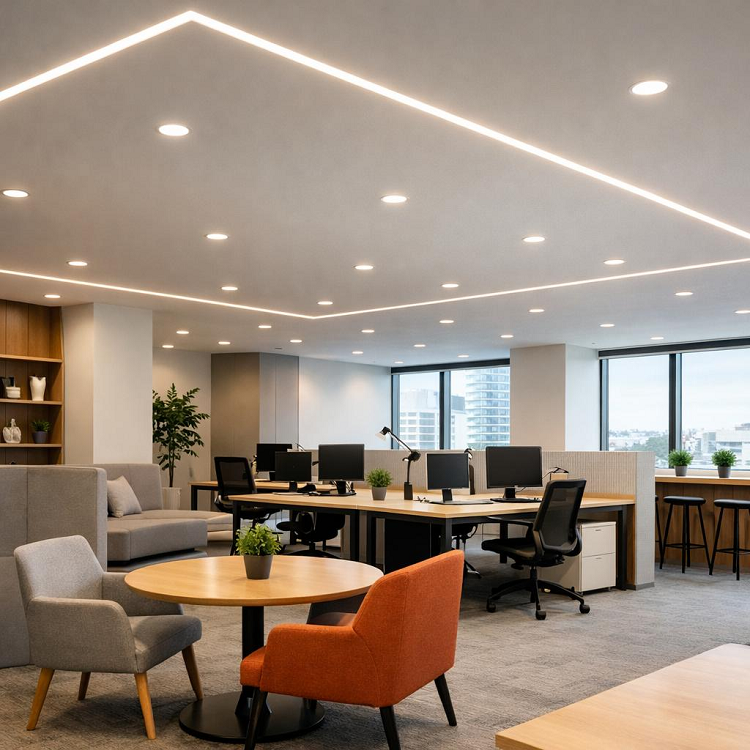
Circadian-tuned lighting systems dynamically shift color temperature to replicate natural daylight cycles and elevate occupant focus and wellbeing. Research conducted by Harvard University confirms dynamically adjustable office lighting boosts work concentration by 18%.
Smart Urban Infrastructure Deployment
LINEAR LIGHT fixtures embedded with 5G micro base stations and environmental sensing hardware have been rolled out across Los Angeles and Toronto. These dual-purpose units facilitate real-time traffic surveillance and air quality tracking, attracting substantial municipal infrastructure investment.
Part 3: Industry Challenges & Growth Opportunities
Balancing Upfront Costs and Long-Term Value
Smart control modules make up 20% to 30% of total production costs, forcing FITLIGHT LIGHTING FACTORY and other manufacturers to strike a balance between technological innovation and market affordability. Modular constructions with detachable control components effectively ease consumer price sensitivity.
Complex Regional Regulatory Standards
Fragmented regional compliance requirements—such as California Title 24 energy codes and UL DLC certification criteria—call for region-specific qualification testing, raising overall research and development overhead and complexity.
Transformed Retail & Distribution Landscape
E-commerce giants Amazon and home improvement chain Lowe’s continue to expand their smart lighting portfolios. Traditional wholesale distributors must evolve their business models by offering value-added services including on-site installation and lighting data analysis to retain market competitiveness.
Conclusion
The fusion of ultra-high energy efficiency and AI-enabled smart functionality is overhauling North America’s entire lighting industry landscape. Brands aiming for sustained market success must develop LINEAR LIGHT featuring premium optical performance, cross-platform interoperability, and customized solutions for smart commercial buildings and urban municipal projects. FITLIGHT LIGHTING FACTORY and manufacturers need to prioritize cost-efficient technical upgrades, cross-regional certification compliance, and cross-industry ecosystem partnerships to fully seize the lucrative growth opportunities across the North American market.