



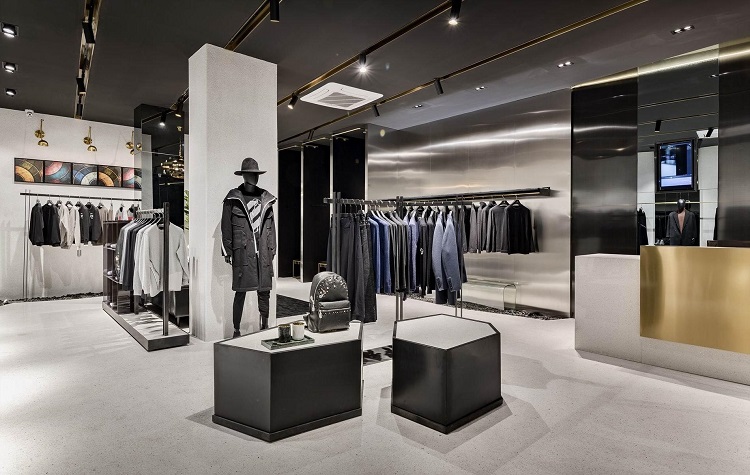
How to Choose the Right LED Magnetic Track Lighting System for Commercial Projects?
Introduction
Lighting plays an essential role in creating functional, comfortable, and visually attractive commercial spaces. Whether it is a hotel, retail store, office, showroom, or restaurant, choosing the right lighting system can significantly influence the atmosphere, energy efficiency, and overall user experience.
In recent years, the LED MAGNETIC TRACK LIGHTING SYSTEM has become an increasingly popular solution for modern commercial lighting projects. Its modular design, flexible installation, and interchangeable lighting fixtures make it an attractive alternative to traditional track lighting systems.
Unlike conventional lighting systems that require fixed fixture positions, magnetic track lighting allows users to install, remove, and reposition compatible lighting modules along the track. This flexibility makes it easier to adapt lighting arrangements to changing interior layouts and business requirements.
However, selecting the right system requires more than simply choosing attractive fixtures. Buyers need to consider track specifications, lighting modules, electrical compatibility, color temperature, beam angles, installation methods, and supplier capabilities.
In this guide, we will explain how to choose the right COMMERCIAL MAGNETIC TRACK LIGHTING system for different projects and what professional buyers should consider before placing an order.
1. What Is an LED MAGNETIC TRACK LIGHTING SYSTEM?
An LED MAGNETIC TRACK LIGHTING SYSTEM is a modular lighting solution that uses magnetic connections to attach lighting fixtures to a specially designed track. Depending on the system design, electrical contacts provide power while magnetic components help hold the lighting modules securely in position.
Compared with traditional track lighting, magnetic track systems offer greater flexibility and a cleaner architectural appearance.
Key Components of a Magnetic Track Lighting System
A complete magnetic track lighting system generally consists of several essential components:
1. MAGNETIC TRACK RAIL
The magnetic track is the main structure that supports the lighting modules and distributes electrical power. It is available in different installation styles, including recessed, surface-mounted, and suspended designs.
2. MAGNETIC LIGHTING MODULES
These are the actual lighting fixtures installed on the track. Common options include magnetic spotlights, linear lights, grille lights, and other modular lighting products.
3. POWER SUPPLY AND DRIVERS
The power supply converts the incoming electrical supply into the appropriate output required by the lighting system. Buyers should check the rated voltage, current, driver specifications, and system compatibility.
4. CONNECTORS AND ACCESSORIES
Connectors allow different track sections to be joined together. Depending on the layout, accessories may include straight connectors, corner connectors, power-feed connectors, and end caps.
5. CONTROL SYSTEMS
Some projects require dimming or intelligent lighting control. Depending on the selected products, available solutions may include DALI, 0-10V, or other compatible control technologies.
IMPORTANT: Magnetic track lighting components are not universally interchangeable. Buyers should confirm the electrical system, track dimensions, connection structure, and module compatibility before purchasing products from different manufacturers.
2. Different Types of Magnetic Track Lighting Modules
One of the biggest advantages of COMMERCIAL MAGNETIC TRACK LIGHTING is the variety of lighting modules available within a single system.
Different modules serve different lighting purposes, allowing designers to combine functional illumination with decorative and accent lighting.
2.1 Magnetic Track Spotlights
Magnetic track spotlights are designed to provide directional lighting and highlight specific objects or areas.
They are commonly used in:
-
Retail stores to highlight products and merchandise.
-
Art galleries to illuminate paintings and displays.
-
Hotels to create decorative accent lighting.
-
Showrooms to emphasize featured products.
When selecting magnetic spotlights, buyers should consider BEAM ANGLE, COLOR TEMPERATURE, COLOR RENDERING INDEX (CRI), AND ADJUSTABILITY.
For example, narrow beam angles are suitable for focused accent lighting, while wider beam angles provide broader illumination.
2.2 Magnetic Linear Lights
Magnetic linear lights provide continuous or evenly distributed illumination along the track.
They are suitable for offices, corridors, reception areas, and commercial interiors where comfortable general lighting is required.
Compared with individual spotlights, linear lighting can create a cleaner and more uniform appearance.
Important specifications include:
-
Wattage and luminous output.
-
Color temperature.
-
CRI performance.
-
Light distribution.
-
Dimming compatibility.
For office environments, designers should pay particular attention to LIGHTING UNIFORMITY AND VISUAL COMFORT.
2.3 Magnetic Grille Lights
Magnetic grille lights usually feature multiple optical cells or lighting compartments within one fixture.
They are designed to provide controlled directional lighting while helping reduce unwanted glare.
These modules are commonly used in premium retail stores, hotels, restaurants, and modern commercial interiors.
They are particularly suitable for projects requiring a combination of architectural aesthetics and directional illumination.
2.4 Magnetic Track Accessories
Besides lighting fixtures, accessories are essential for building a complete magnetic lighting system.
Common accessories include:
-
Straight connectors.
-
L-shaped connectors.
-
T-shaped connectors.
-
Power-feed connectors.
-
Track end caps.
-
Mounting and suspension accessories.
Choosing the correct accessories helps ensure a stable installation and a consistent electrical connection throughout the system.
3. How to Choose the Right Magnetic Track, Spotlights, and Linear Lights
Choosing the right components is essential for achieving the desired lighting performance.
Before purchasing an LED MAGNETIC TRACK LIGHTING SYSTEM, commercial buyers should evaluate the following factors.
3.1 Choose the Right Track Installation Method
Magnetic track systems are generally available in three main installation styles.
RECESSED MAGNETIC TRACK
Recessed tracks are installed inside the ceiling, creating a clean and minimalist appearance.
They are particularly suitable for luxury hotels, modern residences, premium retail stores, and architectural projects with concealed ceiling details.
SURFACE-MOUNTED MAGNETIC TRACK
Surface-mounted tracks are installed directly onto the ceiling surface.
They are a practical option when recessed installation is difficult or when the existing ceiling structure cannot accommodate concealed tracks.
SUSPENDED MAGNETIC TRACK
Suspended systems use suspension wires or rods to hang the track below the ceiling.
They are suitable for high-ceiling commercial spaces, offices, showrooms, and retail environments.
BUYING TIP: Before selecting a track, check the ceiling structure, installation depth, mounting method, track dimensions, and electrical requirements.
3.2 Select the Appropriate Color Temperature
Color temperature affects the visual atmosphere of a commercial space.
| Color Temperature | Recommended Applications |
|---|---|
| 2700K–3000K | Hotels, restaurants, hospitality |
| 3500K–4000K | Offices, retail stores, showrooms |
| 5000K–6500K | Functional and task-oriented environments |
Warm white lighting creates a comfortable and welcoming atmosphere, while neutral white provides a balanced appearance for many commercial applications.
Cooler white lighting is often selected for environments requiring a brighter and more functional visual impression.
The final selection should also consider interior materials, brand identity, and the intended use of the space.
3.3 Consider Beam Angle and CRI
Beam angle determines how light is distributed across a surface.
-
15°–24°: Suitable for focused accent lighting.
-
36°: Suitable for highlighting products and decorative features.
-
60° or wider: Suitable for broader illumination.
These are general selection guidelines rather than universal design requirements.
Color Rendering Index (CRI) measures how accurately a light source reveals colors compared with a reference light source.
For retail stores, showrooms, and hospitality projects, CRI 90 OR ABOVE is often preferred when accurate color presentation is important.
3.4 Check Power and Electrical Compatibility
A magnetic track system must be designed around compatible electrical components.
Before ordering, confirm:
-
Track operating voltage.
-
Maximum system power capacity.
-
Driver specifications.
-
Lighting module wattage.
-
Dimming protocols.
-
Connector compatibility.
DO NOT ASSUME THAT MAGNETIC TRACK LIGHTS FROM DIFFERENT BRANDS ARE COMPATIBLE.
Even if two products have similar appearances, their electrical connections, dimensions, and mounting structures may differ.
4. How to Choose COMMERCIAL MAGNETIC TRACK LIGHTING for Different Projects
Different commercial environments have different lighting requirements. A successful design should combine general illumination, accent lighting, and decorative lighting according to the project's purpose.
4.1 Hotel Lighting Projects
Hotels require lighting that creates a comfortable, elegant, and welcoming environment.
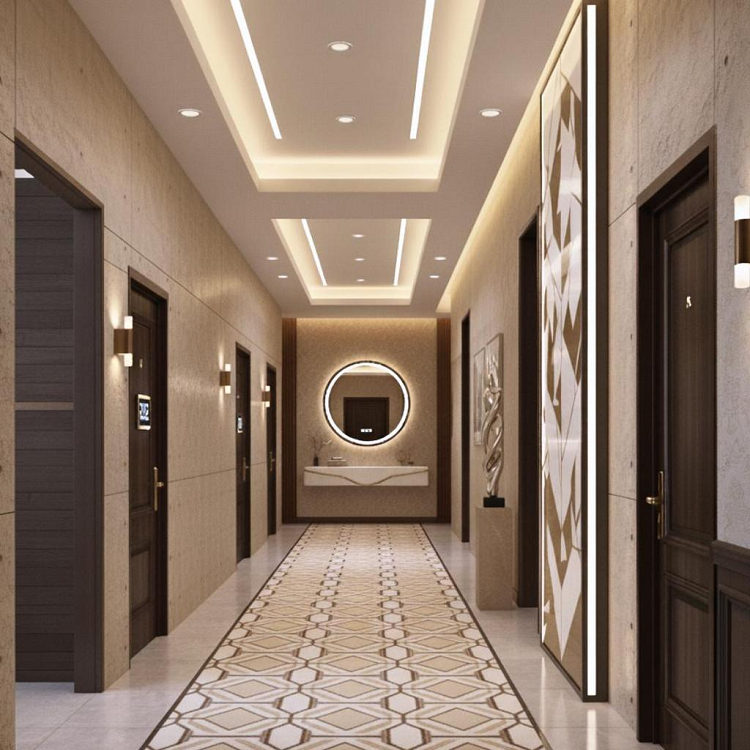
Magnetic track lighting can be used in hotel lobbies, corridors, reception areas, restaurants, and selected guest facilities.
Recommended combinations include:
-
Magnetic spotlights for decorative walls and artwork.
-
Magnetic linear lights for corridors and reception areas.
-
Magnetic grille lights for controlled accent lighting.
RECOMMENDED LIGHTING PRIORITIES: VISUAL COMFORT, COLOR CONSISTENCY, FLEXIBLE CONTROL, AND ARCHITECTURAL APPEARANCE.
Warm white lighting is often preferred in hospitality environments, although the final color temperature should match the interior design concept.
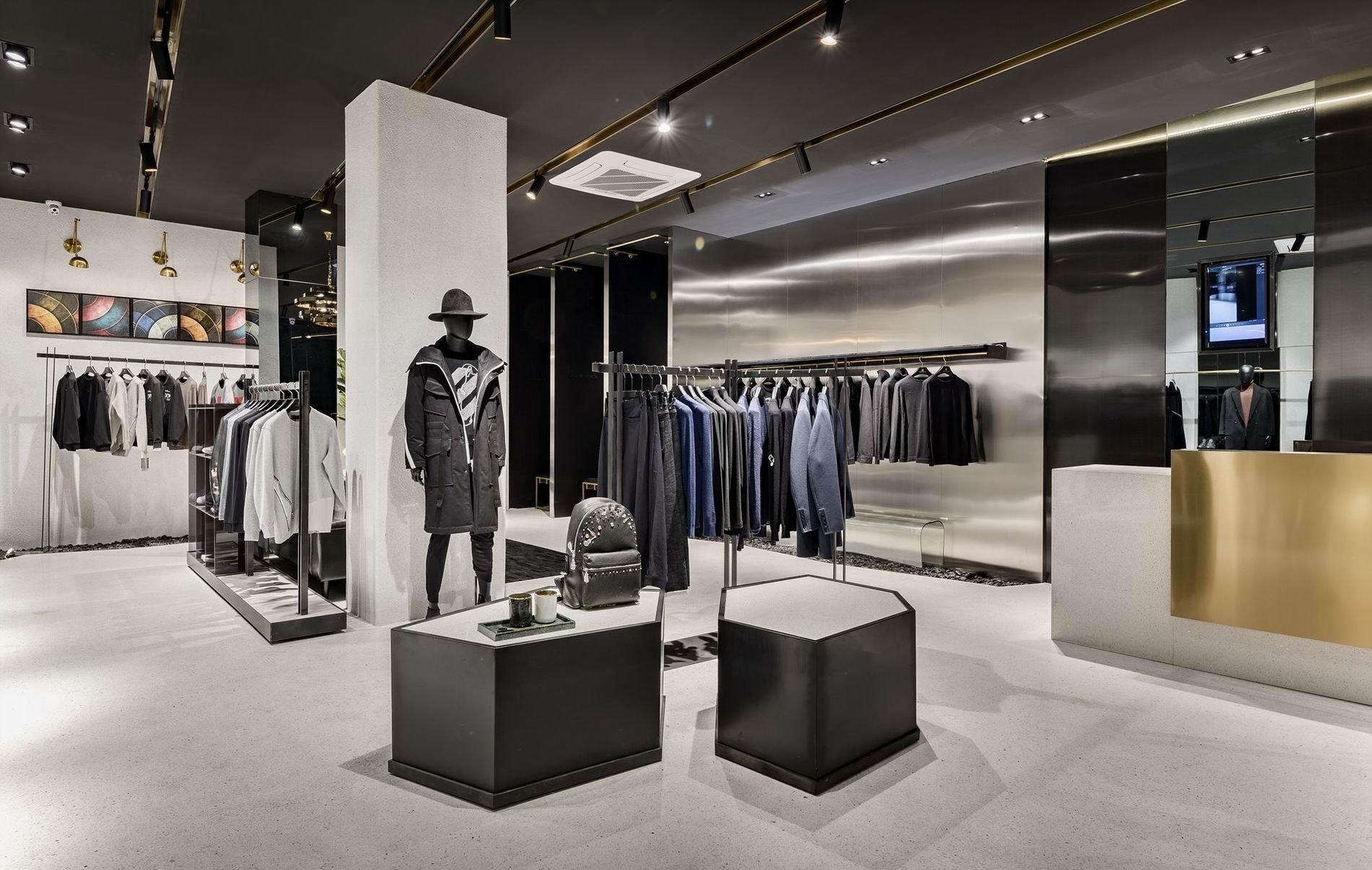
4.2 Retail Store and Shopping Mall Lighting
Retail environments require lighting that attracts attention and presents products accurately.
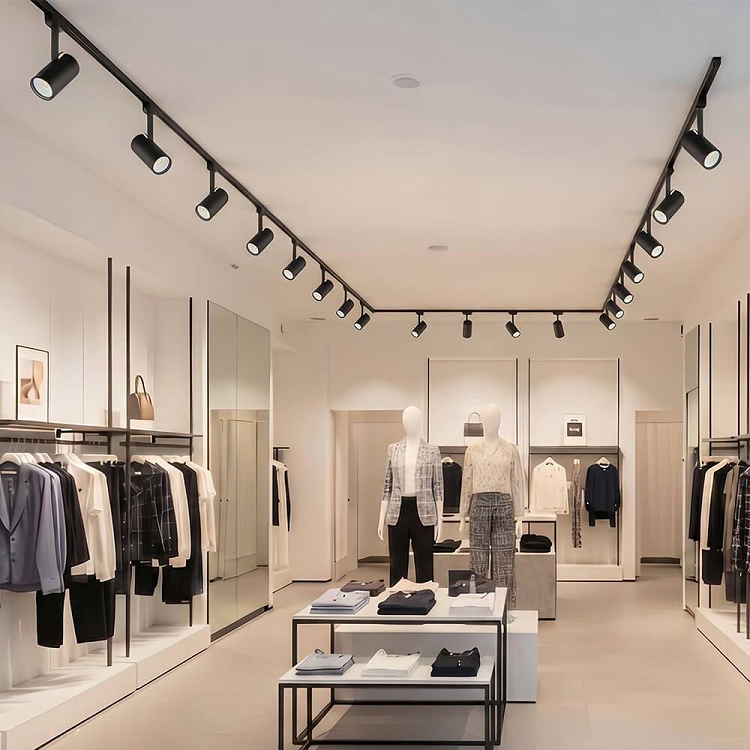
COMMERCIAL MAGNETIC TRACK LIGHTING is particularly suitable for these spaces because lighting modules can be repositioned when displays or merchandise arrangements change.
Recommended applications include:
-
Spotlights for highlighting clothing, accessories, and featured products.
-
Linear lights for general illumination.
-
Grille lights for focused lighting in premium retail areas.
For fashion stores, jewelry shops, and furniture showrooms, CRI performance and beam control are especially important.
A combination of general and accent lighting can help create a more attractive shopping environment.
4.3 Office Lighting Projects
Office lighting should prioritize productivity, visual comfort, and consistent illumination.
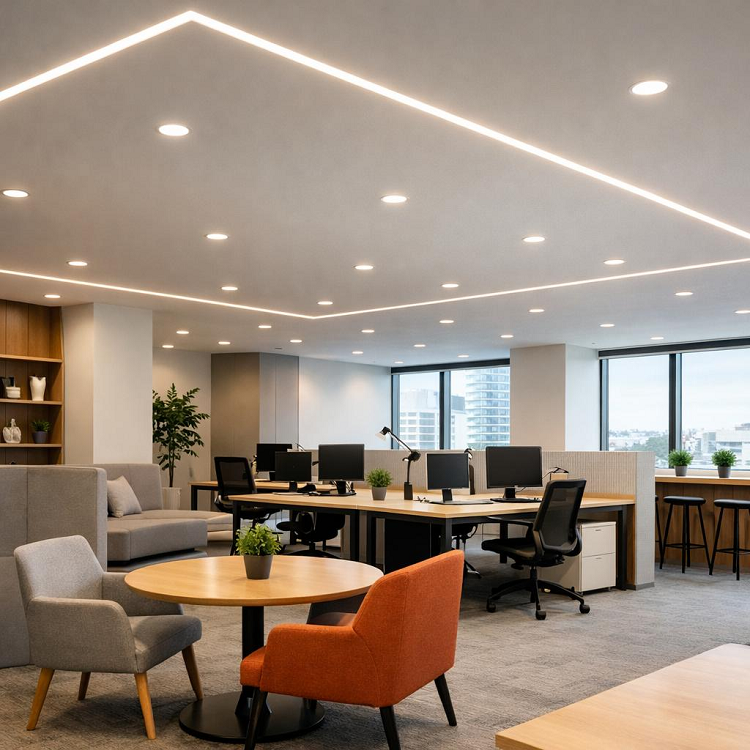
Magnetic linear lights can provide general lighting, while selected spotlights can highlight reception desks, meeting areas, and architectural features.
Important considerations include:
-
Appropriate illuminance levels.
-
Uniform light distribution.
-
Low glare.
-
Suitable color temperature.
-
Compatible dimming and control systems.
For offices with suspended ceilings or exposed architectural structures, suspended magnetic track systems can also provide a modern appearance.
LIGHTING DESIGN SHOULD FOLLOW THE PROJECT'S REQUIRED ILLUMINANCE AND GLARE-CONTROL STANDARDS, rather than relying on fixture appearance alone.
5. Customization Options from a Professional MAGNETIC TRACK LIGHT MANUFACTURER
For importers, lighting distributors, contractors, and private-label brands, product customization is an important consideration when selecting a MAGNETIC TRACK LIGHT MANUFACTURER.
A professional manufacturer should be able to provide suitable customization options according to project requirements.
5.1 Customized Lighting Specifications
Depending on product design and manufacturing capabilities, customization may include:
-
Different wattage options.
-
Customized color temperatures.
-
Different beam angles.
-
CRI requirements.
-
Housing colors and surface finishes.
-
Compatible dimming solutions.
-
Customized lighting distributions.
These options allow buyers to develop products that meet different market preferences and project specifications.
5.2 Customized Track Systems and Accessories
For commercial projects, buyers may also require different track lengths, installation structures, connectors, and mounting accessories.
Manufacturers should clearly explain the available system configurations and confirm compatibility between tracks, modules, drivers, and accessories.
5.3 OEM and ODM Services
OEM AND ODM CUSTOMIZATION can help lighting brands and distributors develop products under their own brands.
Typical customization services may include:
-
Private-label branding.
-
Customized product appearance.
-
Logo printing or laser marking.
-
Customized packaging.
-
Product specification adjustments.
-
Project-based lighting solutions.
At Fitlight Lighting, we focus on commercial LED lighting manufacturing and offer product customization services to meet different customer and project requirements.
Our product portfolio includes LED downlights, LED spotlights, LED track lights, LED linear lights, and magnetic track lighting solutions.
By working directly with a manufacturer, buyers can communicate their technical requirements more efficiently and develop suitable lighting products for their target markets.
6. What to Consider When Choosing a MAGNETIC TRACK LIGHT MANUFACTURER
Choosing a reliable supplier is just as important as selecting the right lighting products.
For international B2B buyers, the following factors should be carefully evaluated.
6.1 Manufacturing Experience and Production Capability
Look for a manufacturer with relevant experience in commercial LED lighting.
Evaluate its product range, production facilities, technical team, customization capabilities, and quality management processes.
A supplier with experience across multiple lighting categories may provide more convenient solutions for projects involving different fixture types.
6.2 Product Quality and Testing
Product quality directly affects the reliability and service life of a lighting installation.
Buyers should ask manufacturers about:
-
LED chip and driver quality.
-
Thermal management design.
-
Electrical safety testing.
-
Aging and reliability testing.
-
Product consistency.
-
Quality inspection procedures.
RELIABLE QUALITY CONTROL IS ESSENTIAL FOR LONG-TERM COMMERCIAL PROJECTS.
6.3 Certifications and Market Compliance
Different markets have different regulatory requirements.
For example, buyers importing LED lighting products into European markets should consider applicable CE requirements, including relevant electrical safety and electromagnetic compatibility standards, as well as RoHS requirements where applicable.
For Australia, relevant products may require appropriate SAA certification or approval under applicable electrical safety regulations.
ALWAYS VERIFY THAT CERTIFICATES AND TEST REPORTS APPLY TO THE EXACT PRODUCT MODEL AND TARGET MARKET.
6.4 Warranty and After-Sales Support
A reliable manufacturer should provide clear warranty terms, technical documentation, and after-sales support.
Before placing an order, confirm:
-
Warranty coverage.
-
Spare parts availability.
-
Technical support.
-
Replacement procedures.
-
Product documentation.
-
Lead times and order requirements.
These factors are particularly important for distributors and contractors managing multiple commercial projects.
7. Why Work with Fitlight Lighting for MAGNETIC TRACK LIGHTING Solutions?
Selecting the right manufacturing partner can make a significant difference to the success of a commercial lighting project.
FITLIGHT is a professional LED lighting manufacturer with experience in developing and supplying commercial lighting products for international markets.
Our product portfolio covers multiple lighting categories, including LED downlights, LED spotlights, LED track lights, LED linear lights, and magnetic track lighting systems.
We understand that different customers have different product specifications, market requirements, and project expectations.
Our manufacturing and customization services are designed to support B2B customers seeking:
-
OEM AND ODM CUSTOMIZATION for different market requirements.
-
FLEXIBLE PRODUCT SPECIFICATIONS to meet project needs.
-
MULTIPLE COMMERCIAL LIGHTING SOLUTIONS from one manufacturing partner.
-
PRODUCT QUALITY CONTROL throughout the manufacturing process.
-
PROFESSIONAL SUPPORT for product selection and customization.
Whether you are a lighting distributor, importer, contractor, or lighting brand owner, working with an experienced manufacturer can help simplify product sourcing and improve project coordination.
Visit Fitlight Lighting Official Website to explore our commercial LED lighting products and manufacturing capabilities.
Conclusion
An LED MAGNETIC TRACK LIGHTING SYSTEM offers a flexible and modern solution for commercial lighting applications.
By combining magnetic track rails with spotlights, linear lights, grille lights, and compatible accessories, designers can create lighting arrangements that suit different architectural spaces and functional requirements.
However, choosing the right system requires careful consideration of track installation methods, electrical compatibility, color temperature, beam angles, CRI, dimming options, and product quality.
For B2B buyers, selecting an experienced MAGNETIC TRACK LIGHT MANUFACTURER is equally important. A reliable supplier should provide consistent product quality, customization capabilities, appropriate certifications, and dependable technical support.
With the right products and manufacturing partner, businesses can develop effective COMMERCIAL MAGNETIC TRACK LIGHTING solutions for hotels, retail stores, offices, and other modern commercial environments.
Looking for a reliable magnetic track lighting manufacturer for your next commercial project? Contact Fitlight Lighting to discuss your product specifications, OEM/ODM requirements, and customized LED lighting solutions.
Frequently Asked Questions (FAQ)
1. What is the main advantage of an LED MAGNETIC TRACK LIGHTING SYSTEM?
Its main advantage is flexibility. Compatible lighting modules can be repositioned or replaced along the track, allowing lighting arrangements to adapt to different commercial requirements.
2. What types of lights can be installed on a magnetic track?
Common options include magnetic spotlights, linear lights, grille lights, and other compatible modular fixtures. Availability depends on the specific track system.
3. Is magnetic track lighting suitable for commercial projects?
Yes. It is commonly considered for hotels, retail stores, offices, showrooms, restaurants, and other commercial environments requiring flexible lighting arrangements.
4. How do I choose a reliable MAGNETIC TRACK LIGHT MANUFACTURER?
Evaluate the manufacturer's production experience, product quality, testing procedures, customization capabilities, certifications, warranty terms, and technical support.
5. Can magnetic track lighting systems be customized?
Many manufacturers offer customization options for wattage, color temperature, beam angles, fixture finishes, track configurations, branding, and packaging. Buyers should confirm the available options for each product series.