




Magnetic Track Lighting vs Traditional Track Lighting: Which System Is Best for Commercial Projects?
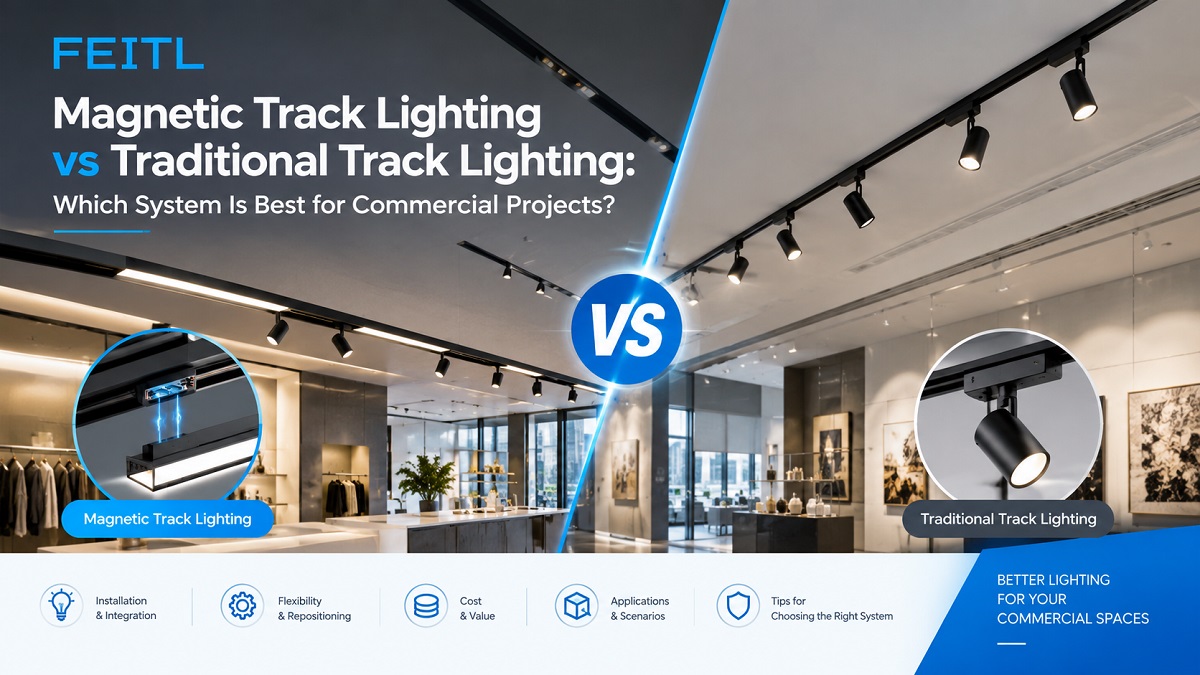
Choosing the right lighting system is an important decision for any commercial project. Whether you are designing a retail store, renovating a hotel, planning an office, or sourcing lighting for a showroom, the lighting system you select will affect the appearance of the space, installation requirements, maintenance costs, and long-term flexibility.
Two popular options are magnetic track lighting and traditional track lighting. Both systems allow designers to direct light where it is needed, making them useful for accent lighting, product displays, and general illumination. However, they differ in how the fixtures connect to the track, how the system is powered, how easily the lighting layout can be changed, and how the overall installation is designed.
So, which system is better for commercial projects?
The answer depends on your project requirements. Magnetic track lighting is often a strong choice for modern retail spaces, hotels, and design-focused interiors where flexibility and a clean architectural appearance are priorities. Traditional track lighting remains a practical option for projects that require powerful spotlights, straightforward installation, or a more cost-conscious lighting solution.
In this guide, we will compare both systems, explore their advantages and limitations, and explain how to choose the right commercial track lighting solution for your next project.
1. What Is Magnetic Track Lighting?
Magnetic track lighting is a modular lighting system in which compatible light fixtures attach to an electrified track using magnetic connections, often combined with a mechanical locking mechanism.
Many commercial magnetic track lighting systems use low-voltage DC power, commonly 24V or 48V. A suitable power supply converts the building's incoming electrical supply to the voltage required by the track system. The exact configuration depends on the manufacturer's design.
Unlike conventional track lighting, magnetic systems are designed to make fixture positioning and replacement more convenient. Depending on the product design, compatible modules can be moved along the track or exchanged without rebuilding the entire lighting layout.
This flexibility makes magnetic track lighting popular in modern commercial interiors where displays, furniture arrangements, or lighting requirements may change over time. Learn more about magnetic track lighting systems.
How Does a Magnetic Track Lighting System Work?
A complete magnetic track lighting system typically consists of four main components:
-
Magnetic track rail: The structure that supports the lighting modules and distributes electrical power.
-
Magnetic track light modules: Fixtures that attach to the compatible track and provide different lighting effects.
-
Power supply or driver: The component that provides the required electrical output for the system.
-
Connectors and accessories: Components used to connect track sections, supply power, and create the required layout.
Different modules can serve different purposes. For example, adjustable spotlights can highlight merchandise or architectural details, while linear lighting modules can provide more continuous illumination.
Before purchasing a system, buyers should confirm that the track, power supply, fixtures, and connectors are designed to work together. A fixture that physically fits a rail is not necessarily electrically compatible with it.
Common Types of Magnetic Track Lighting
Magnetic track lighting is available in several installation configurations.
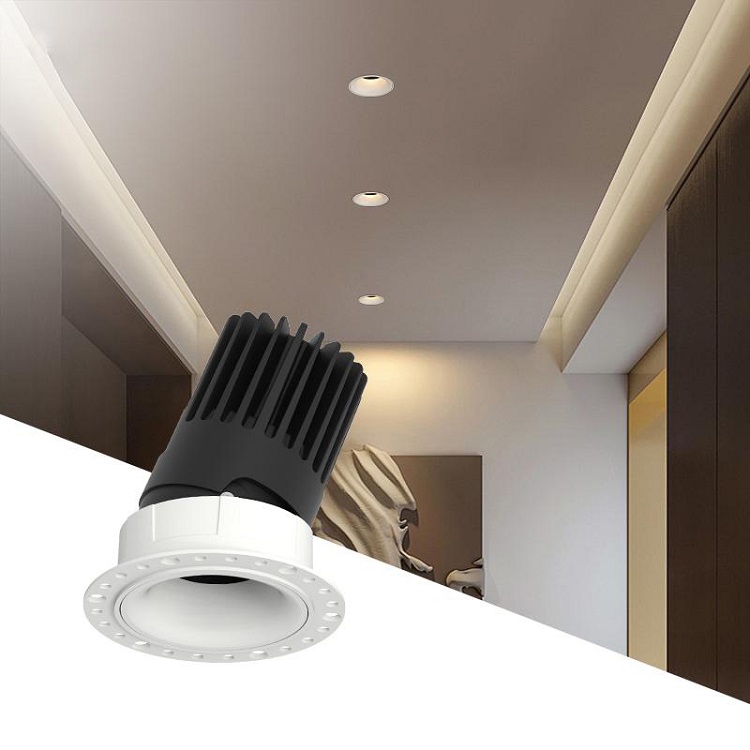
Recessed magnetic track lighting is integrated into the ceiling, creating a clean, streamlined appearance. It is particularly suitable for new commercial projects where the ceiling design can accommodate the required track dimensions.
Surface-mounted magnetic track lighting is installed directly onto the ceiling surface. It can be a practical option for renovations or spaces where cutting into the ceiling is not desirable.
Suspended magnetic track lighting hangs from the ceiling using suspension accessories. This configuration can work well in offices, showrooms, and commercial spaces with high ceilings.
Trimless magnetic track lighting is designed to create a more seamless transition between the track and the surrounding ceiling. The final appearance depends on the track profile, ceiling construction, and installation quality.
Each option has different installation requirements. For B2B buyers, it is important to select the mounting method before finalising the track layout and ordering components.
Common Magnetic Track Light Modules
One advantage of magnetic track lighting is the ability to combine different fixture types within a compatible system.
Common options include:
-
Magnetic track spotlights for focused accent lighting.
-
Linear magnetic lights for more continuous illumination.
-
Grille or multi-cell modules for directional lighting.
-
Floodlighting modules for broader light distribution.
-
Pendant-style modules where supported by the system.
The available options vary by manufacturer and product series. Buyers should confirm the actual module range rather than assuming every fixture type is compatible with every magnetic track.
2. What Is Traditional Track Lighting?
Traditional track lighting is a lighting system in which fixtures attach to a powered rail using mechanical adapters or locking connectors.
Many commercial systems operate directly from mains voltage, although the electrical configuration varies by product and market. Unlike low-voltage magnetic track lighting, conventional track systems commonly use a track designed for line-voltage distribution.
Traditional track lighting has been used in retail stores, galleries, commercial buildings, and exhibition spaces for many years. It remains relevant because it offers familiar installation methods, a broad range of spotlight designs, and practical options for projects with established lighting layouts.
How Does Traditional Track Lighting Work?
The track is mounted to the ceiling or suspended from it, then connected to the appropriate electrical supply. Compatible fixtures attach to the track through mechanical adapters that provide both physical support and electrical connection.
Depending on the system, the track may support different switching arrangements or circuits. Some commercial systems allow separate groups of fixtures to be controlled independently.
When a fixture needs to be repositioned, the user generally has to release its locking mechanism, move it along the track, and secure it again. The procedure varies by design, and electrical work should be performed by a qualified professional whenever required by the system or local regulations.
Key Advantages of Traditional Track Lighting
Traditional track lighting offers several practical benefits.
First, it provides a wide selection of commercial spotlights, including fixtures designed for focused beams, larger output requirements, and specific display applications.
Second, many installers are already familiar with conventional track systems. This can simplify specification and installation when the project uses standard components.
Third, the initial product cost may be lower for some configurations, particularly where the layout is fixed and there is little need to change fixture positions.
Traditional track lighting is therefore worth considering for projects where functionality, output, familiarity, and budget are more important than an especially discreet ceiling appearance.
3. Magnetic Track Lighting vs Traditional Track Lighting: Key Differences
Although both systems provide flexible directional lighting, they are not interchangeable. The most useful comparison considers the entire installation rather than the appearance of individual fixtures.
Installation and Ceiling Integration
Magnetic track lighting is available in recessed, surface-mounted, and suspended configurations. Recessed and trimless versions can create a minimalist appearance, but they usually require careful coordination with the ceiling contractor.
Traditional track lighting is also available in different mounting arrangements, although the visible track and fixture adapters may produce a more conventional technical appearance.
For new-build commercial projects, the ceiling design often determines which system is easier to integrate. For renovations, surface-mounted solutions may reduce the need for extensive ceiling modifications.
Practical tip: Confirm ceiling depth, mounting conditions, track dimensions, power access, and maintenance access before choosing a system.
Flexibility and Fixture Repositioning
Both systems allow directional lighting, but they differ in how fixtures are attached and adjusted.
Magnetic track systems are designed to make compatible fixture changes relatively convenient. This can be valuable for fashion retailers, showrooms, and exhibition spaces where product displays change frequently.
Traditional track fixtures can also be repositioned, but the process usually involves operating a mechanical locking adapter. The time and effort required depend on the specific fixture and track design.
For businesses that regularly update their displays, magnetic track lighting may offer a more convenient day-to-day solution.
For spaces where the lighting arrangement rarely changes, the additional flexibility may provide less practical value.
Lighting Modules and Design Flexibility
Magnetic track systems often support several types of lighting modules within a compatible product family. This allows designers to combine spotlights and linear modules along the same track, where supported by the manufacturer.
Traditional track lighting also offers many fixture choices, particularly for directional spotlights and specialist accent lighting.
The right choice depends on the lighting effect required. A clothing store may need adjustable accent lighting to highlight products, while an office may need broader, more uniform illumination.
When comparing products, evaluate beam angles, colour temperature, colour rendering, glare control, lumen output, and dimming options rather than selecting fixtures based on appearance alone.
Power Supply, Voltage, and Electrical Compatibility
Electrical compatibility is one of the most important considerations when purchasing magnetic track lighting.
Many magnetic track systems use a dedicated low-voltage power supply, while traditional track lighting commonly distributes mains voltage through the rail. However, product designs vary, so buyers should always check the manufacturer's technical documentation.
For magnetic systems, the track voltage, driver output, fixture specifications, and control method must match. For either system, the installation must comply with applicable electrical regulations and project requirements. Review a magnetic track voltage selection guide.
A low-voltage system should not automatically be assumed to be compatible with every fixture or control device. Similarly, dimming compatibility should be confirmed across the driver, lighting modules, and control system.
Before placing a bulk order, request the complete technical specifications and confirm compatibility in writing.
Initial Cost and Long-Term Maintenance
The purchase price of magnetic track lighting may be higher than that of a comparable traditional track configuration, depending on the product range and project requirements.
Magnetic systems can include specialised tracks, power supplies, connectors, and modular fixtures. Traditional track systems may offer a more economical starting point when a simple configuration meets the project's needs.
However, the initial quotation is only one part of the total project cost. Buyers should also consider:
-
Track, fixture, driver, and accessory costs.
-
Installation labour and ceiling preparation.
-
Electrical design and commissioning.
-
Future fixture replacement and spare-part availability.
-
Energy consumption and lighting performance.
-
Maintenance access and the cost of future layout changes.
A system that is inexpensive to purchase may not be the most cost-effective option if it creates substantial installation work or becomes difficult to adapt later.
Quick Comparison Table
| Comparison Factor | Magnetic Track Lighting | Traditional Track Lighting |
|---|---|---|
| Fixture connection | Magnetic connection, often with mechanical locking | Mechanical adapter or locking connector |
| Repositioning | Designed for convenient module changes | Usually requires adjustment of the locking adapter |
| Ceiling appearance | Can offer slim, minimalist profiles | Often has a more conventional visible track design |
| Electrical configuration | Commonly low-voltage DC with a suitable power supply | Commonly mains-voltage track distribution |
| Fixture selection | Modular options within compatible product families | Broad selection of conventional track fixtures |
| Initial cost | May be higher for some configurations | May be more economical for simple layouts |
| Best suited to | Flexible, design-focused commercial interiors | Fixed layouts and applications suited to conventional track systems |
Note: These are general comparisons, not universal specifications. Actual voltage, installation methods, power capacity, compatibility, and costs depend on the selected product and manufacturer.
4. Which System Is Better for Different Commercial Applications?
The best lighting system is the one that meets the project's functional, architectural, and budget requirements.
Retail Stores and Shopping Malls
Retail environments often need lighting that can adapt to seasonal campaigns, changing merchandise, and new store layouts.
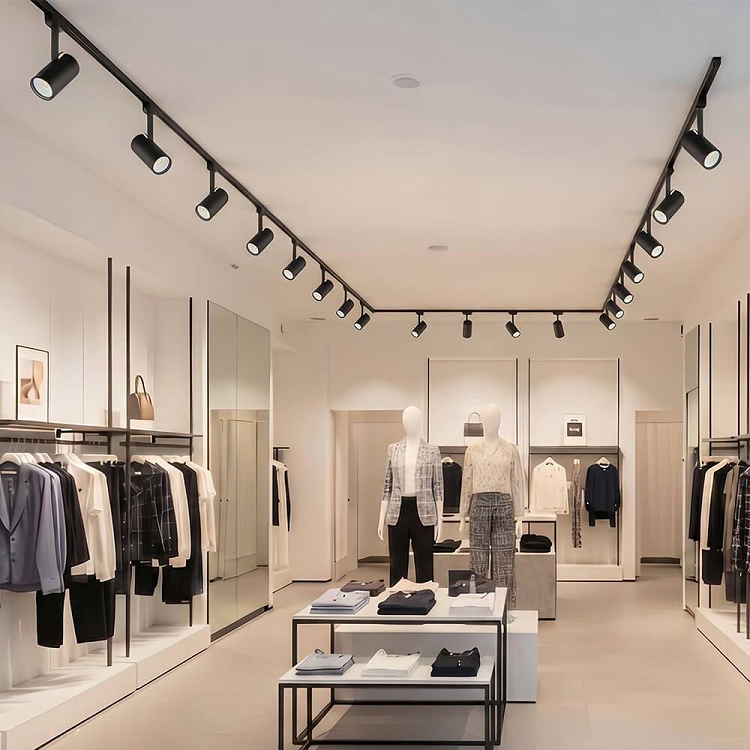
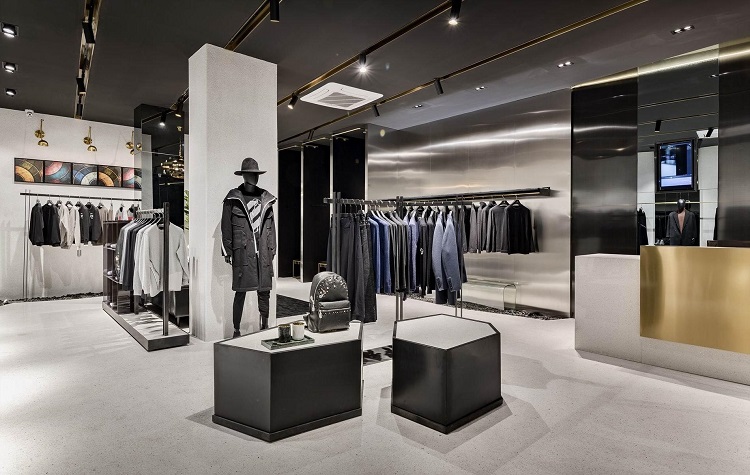
Magnetic track lighting is a strong option for fashion boutiques, premium retail spaces, and modern shopping environments where a clean ceiling appearance and flexible lighting arrangement are important.
Adjustable spotlights can highlight clothing, accessories, display tables, and promotional areas. Linear modules can provide complementary illumination where the selected system supports them.
Traditional track lighting remains a viable option for retailers who prioritise straightforward functionality, established fixture formats, or lower initial costs.
For larger retail projects, consider using different systems in different zones rather than assuming one solution must serve the entire building.
Hotels and Restaurants
Hotels and restaurants need to balance visual comfort, atmosphere, and practical maintenance.
Magnetic track lighting can work well in reception areas, lounge spaces, restaurant interiors, and selected guest-facing zones. Its modular design can help lighting designers create different effects within one coordinated system.
Traditional track lighting may be suitable for restaurants, multipurpose rooms, and other areas where directional lighting is required without the need for a highly integrated ceiling design.
In both cases, glare control, colour rendering, dimming performance, and maintenance access should be considered during the design stage.
Showrooms, Galleries, and Exhibition Spaces
Showrooms and galleries frequently need to highlight individual objects, product displays, or architectural features.
Magnetic track lighting can be particularly useful when exhibits or merchandise change regularly. Compatible spotlights can be repositioned to suit new displays, while other modules can provide broader illumination.
Traditional track lighting can also be effective, especially where the project requires specific specialist optics or higher-output fixtures.
The final decision should be based on beam control, mounting height, required illumination levels, colour rendering, and the flexibility needed for future displays.
Offices and Commercial Buildings
Offices require more than attractive accent lighting. Depending on the space, they may need general illumination, task lighting, meeting-room lighting, and controlled lighting for reception areas.
Magnetic track lighting may suit modern offices with architectural lighting requirements, collaborative spaces, and reception areas.
Traditional track lighting can be appropriate for corridors, selected meeting spaces, and commercial areas where directional lighting is needed.
For desks and workstations, evaluate glare, uniformity, screen reflections, and relevant workplace lighting requirements. Track lighting should be selected as part of a complete lighting plan, not treated as a substitute for every other lighting type.
Warehouses, Workshops, and Fixed-Layout Spaces
Warehouses and workshops often prioritise functional illumination, reliable operation, mounting height, and cost efficiency.
For these applications, traditional track lighting may be suitable in selected areas, although high-bay or industrial lighting may be more appropriate for large spaces requiring high illumination levels.
Magnetic track lighting is not automatically the best choice simply because it is newer. Where fixtures rarely move and the project has straightforward lighting requirements, a conventional solution may be more practical.
The key is to match the system to the working environment rather than choosing it based on design trends alone.
5. How to Choose the Right Magnetic Track Lighting System
If magnetic track lighting is suitable for your project, the next step is to specify the system correctly.
Choose the Right Installation Method
Decide whether the project requires recessed, trimless, surface-mounted, or suspended track lighting.
Consider the ceiling material, available installation depth, structural support, access to wiring, and the coordination required with other building trades.
For renovation projects, surface-mounted or suspended options may offer practical advantages. For new commercial interiors, recessed installations may be easier to coordinate during the construction phase.
Confirm Voltage, Driver Capacity, and System Compatibility
Do not select a magnetic track system based on its profile or appearance alone.
Confirm the operating voltage, compatible fixtures, power supply requirements, track load limits, connectors, and control options. The driver must be correctly specified for the total connected load and the manufacturer's requirements.
For longer track runs, ask the supplier to confirm any power-feed limitations and voltage-drop considerations.
Never assume that two products are compatible simply because they use the same nominal voltage or have similar dimensions.
Select the Right Light Output, Beam Angle, and Colour Temperature
The appropriate fixture depends on the intended lighting effect.
A narrow beam may help highlight a product or architectural detail. A wider beam can illuminate a larger area. Linear modules may provide more continuous light along a counter or circulation zone.
Colour temperature also influences the atmosphere. Warmer light is often selected for hospitality settings, while neutral white light may suit many retail, office, and showroom applications. The best choice depends on the materials, merchandise, interior finishes, and visual objectives.
Colour rendering is equally important when products or materials need to appear natural and consistent.
Ask your supplier for the actual product specifications and photometric information needed to evaluate the proposed lighting design.
Check Dimming and Lighting Controls
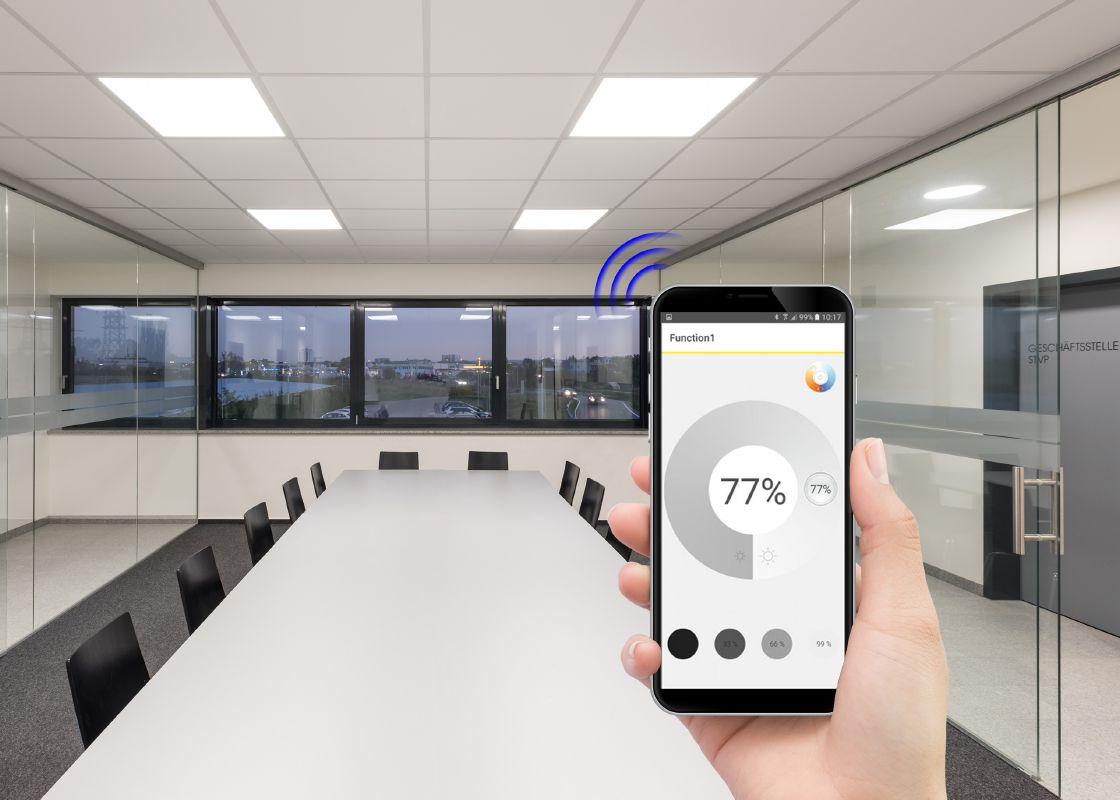
Some projects require adjustable brightness, scene control, or integration with a building management system.
Before ordering, confirm whether the proposed driver and fixtures support the required dimming method. Compatibility can vary across products, even within the same broad category.
If the project includes smart controls or centralised lighting management, provide the supplier with the control requirements early in the specification process.
6. Common Mistakes to Avoid When Buying Magnetic Track Lighting
Even a well-designed lighting system can underperform if the components are incorrectly specified.
Choosing Based on Appearance Alone
A slim track and attractive spotlight do not guarantee good lighting performance.
Check lumen output, beam angle, glare control, colour rendering, thermal performance, and the suitability of the fixture for the intended application.
Ignoring Driver and Track Capacity
The power supply must meet the requirements of the complete system. Overlooking connected load or manufacturer-defined limits can cause poor performance or equipment problems.
Ask for the recommended configuration and keep the relevant technical documentation with the project records.
Mixing Incompatible Components
Not every magnetic track, connector, driver, or lighting module is interchangeable.
Using incompatible components can result in installation difficulties, unreliable electrical contact, or fixture failure. Obtain written confirmation of compatibility before combining products from different sources.
Overlooking Installation Requirements
Recessed and trimless systems may require accurate ceiling preparation and close coordination with the installer.
Confirm the track dimensions, cut-out requirements, fixing method, wiring arrangements, and maintenance access before the ceiling work begins.
Comparing Prices Without Comparing Specifications
Two quotations may look similar while covering very different products.
Compare the complete bill of materials, including track lengths, connectors, power supplies, fixtures, mounting accessories, controls, packaging, and any project-specific services.
A fair comparison should be based on equivalent specifications rather than the lowest unit price alone.
7. How to Choose a Reliable Magnetic Track Lighting Manufacturer
For importers, distributors, wholesalers, and project buyers, selecting the right manufacturer is as important as selecting the lighting system.
Evaluate the Product Range and Customisation Options
A capable supplier should be able to explain the available track configurations, fixture types, installation methods, and technical limitations.
If your project requires specific colours, wattages, beam angles, packaging, or other customised options, confirm which requirements can be supported and whether they affect the minimum order quantity or production lead time.
Review Quality Control and Relevant Certifications
Request the technical datasheets, applicable test reports, certification documents, and warranty terms for the specific products you intend to purchase.
Certification requirements depend on the destination market, product category, and installation environment. Do not rely on a general statement that a factory is certified; verify that the documents apply to the products being quoted.
Confirm Manufacturing and Delivery Capabilities
For bulk orders, ask about production lead times, sample approval, inspection procedures, packaging, and shipment arrangements.
It is also useful to establish how replacement parts and technical questions will be handled after delivery.
A reliable supplier should provide clear answers rather than making vague promises about product quality or delivery.
Request Samples and a Detailed Quotation
Before committing to a large order, evaluate product samples where practical.
Check the finish, construction, light output, colour consistency, connectors, and compatibility of the complete system. For project orders, request a quotation that clearly identifies each component and its specification.
This approach makes supplier comparisons more transparent and helps reduce avoidable problems during installation.
8. Why Consider Fitlight for Commercial LED Lighting Projects?
For commercial lighting buyers, working with a supplier that understands multiple LED product categories can simplify product selection and procurement.
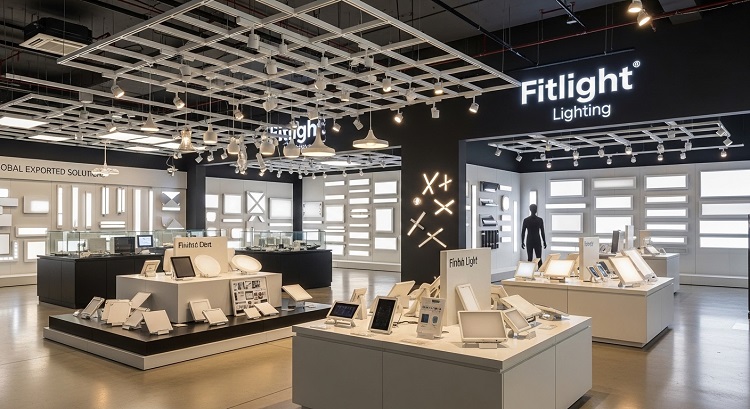
Fitlight is a lighting manufacturer with a product focus that includes LED downlights, spotlights, track lights, magnetic track lighting, and linear lights.
You can explore the company's product range and manufacturing information on the official website: Fitlight LED Lighting.
When evaluating Fitlight or any potential lighting supplier, consider the following:
-
Product suitability: Confirm that the available products match your project's lighting requirements and installation conditions.
-
Technical documentation: Request relevant specifications, product drawings, photometric information, and applicable certification documents.
-
Project coordination: Discuss the required track configuration, light modules, power supplies, accessories, and control options before confirming an order.
-
B2B purchasing support: Clarify sample availability, customisation options, minimum order quantities, lead times, packaging, and warranty terms.
For magnetic track lighting in particular, it is important to confirm the complete system configuration rather than purchasing track rails and light modules as unrelated products.
If you are sourcing lighting for a commercial project, contact the supplier with your project details so the proposed products can be evaluated against your actual requirements.
Conclusion: Which Track Lighting System Is Best for Your Project?
There is no single track lighting system that is ideal for every commercial application.
Magnetic track lighting is often the better fit for modern retail stores, hotels, showrooms, and other design-focused environments where fixture flexibility and a clean ceiling appearance are priorities.
Traditional track lighting remains a practical option for projects that favour familiar installation methods, conventional fixture choices, and cost-effective solutions for relatively fixed lighting layouts.
Before making a decision, compare the installation requirements, electrical configuration, fixture performance, total project cost, and future maintenance needs. For magnetic track lighting, pay particular attention to voltage, driver capacity, and compatibility across all system components.
The best lighting solution is not necessarily the newest or most expensive one. It is the system that delivers the right lighting effect, meets the project's technical requirements, and provides reliable value over its intended service life.
Planning a commercial LED lighting project?
Explore the Fitlight website to learn more about its LED lighting product range. Contact the team to discuss your project requirements, request product information, or enquire about suitable lighting solutions for your next order.
Frequently Asked Questions About Magnetic Track Lighting
Is magnetic track lighting better than traditional track lighting?
Not in every situation. Magnetic track lighting is often preferred for modern interiors that need flexible fixture positioning and a minimalist appearance. Traditional track lighting can be a better fit for projects with fixed layouts, conventional fixture requirements, or tighter initial budgets.
Is magnetic track lighting more expensive?
It can be, depending on the track design, fixture range, power supply, accessories, and installation requirements. Compare the complete system cost rather than the price of an individual light fixture.
Is magnetic track lighting suitable for commercial use?
Yes. Magnetic track lighting is used in a variety of commercial environments, including retail stores, showrooms, hospitality spaces, galleries, and selected office areas. The chosen system must meet the project's performance, installation, and regulatory requirements.
Can magnetic track lights be moved after installation?
Compatible magnetic track modules are designed to make repositioning convenient. However, the exact procedure depends on the system design, and users must follow the manufacturer's instructions and applicable safety requirements.
What should I check before buying magnetic track lighting?
Confirm the operating voltage, track and fixture compatibility, driver capacity, mounting method, light output, beam angle, colour temperature, dimming options, relevant certification documents, warranty, and spare-part availability.
Can magnetic track lighting and traditional track lighting be used in the same commercial project?
Yes. A project may use magnetic track lighting in customer-facing or design-focused areas and another suitable lighting system in back-of-house or functional zones. Each system should be designed and installed according to its own electrical and performance requirements.
What information should I provide when requesting a commercial lighting quotation?
Provide the project type, destination country, ceiling type, preferred installation method, approximate track length, required fixture types, estimated quantity, dimming requirements, and target delivery date. A floor plan or reflected ceiling plan can also help the supplier assess the requirements more accurately.