


UGR vs. Anti-Glare LED Downlights: How to Choose the Best Lighting for Commercial Spaces
Introduction
Lighting quality is an essential factor in modern commercial environments. Whether designing an office, hotel, retail store, showroom, or restaurant, selecting the right LED downlights can significantly influence visual comfort, productivity, and the overall appearance of an interior space.
One of the most important considerations when choosing commercial lighting is glare control. Excessive glare can cause visual discomfort, reduce concentration, and negatively affect the lighting experience.
This is why ANTI GLARE LED DOWNLIGHTS have become increasingly popular in commercial lighting projects. However, buyers often encounter another important term: UGR (Unified Glare Rating).
What is the difference between UGR and anti-glare lighting? Does a low UGR value automatically mean a downlight provides excellent glare control? And how should commercial buyers evaluate different optical designs?
In this guide, we will explain the relationship between UGR and anti-glare LED downlights, compare different glare-control technologies, and help you choose the right COMMERCIAL LED DOWNLIGHT for different applications.
1. What Is UGR and Why Does It Matter in Commercial Lighting?
UGR (UNIFIED GLARE RATING) is a standardized method used to evaluate the discomfort glare produced by lighting installations.
It considers factors such as the brightness of light sources, their position within the observer's field of view, background luminance, and the observer's viewing direction.
In simple terms, UGR helps lighting designers understand how uncomfortable a lighting installation may appear to people using a space.
Understanding Common UGR Values
UGR values are commonly expressed using the following reference levels:
-
UGR 16: A relatively low glare level, often considered for visually demanding environments.
-
UGR 19: A commonly specified glare limit for many office environments.
-
UGR 22: May be acceptable in certain general commercial applications.
-
UGR 25: May be suitable for some less visually demanding environments, depending on the lighting design.
These values are reference levels rather than universal product classifications. The appropriate requirement depends on the application, applicable standards, and project specifications.
For example, office environments with computer screens often require more careful glare control than general circulation areas.
Why Is UGR Important for Commercial Projects?
Glare affects more than visual appearance. It can influence how comfortably people perform everyday activities.
KEY BENEFITS OF EFFECTIVE GLARE CONTROL INCLUDE:
-
IMPROVED VISUAL COMFORT: Reduces discomfort caused by excessively bright light sources.
-
BETTER WORKING CONDITIONS: Helps create more comfortable environments for office employees.
-
ENHANCED LIGHTING QUALITY: Supports a balanced lighting design.
-
PROFESSIONAL INTERIOR APPEARANCE: Helps achieve a more refined architectural lighting effect.
IMPORTANT: UGR is a property of the complete lighting installation, not simply an intrinsic rating of an individual LED downlight. A UGR value depends on the luminaire's photometric data, room dimensions, surface reflectance, mounting height, spacing, and observer position.
Therefore, buyers should not assume that every product advertised as a UGR LED Downlight automatically achieves UGR<19 in every installation.
2. What Is the Difference Between Anti-Glare LED Downlights and Standard LED Downlights?
Although both products provide general illumination, their optical designs can be significantly different.
A standard LED downlight often prioritizes light output, efficiency, and straightforward installation. An anti-glare model places additional emphasis on controlling the visibility and intensity of the light source.
Standard LED Downlights
Traditional LED downlights may use exposed LED light sources, relatively shallow reflectors, or simple diffusers.
Their main characteristics include:
-
Direct and relatively broad light distribution.
-
Simple optical construction.
-
Cost-effective product design.
-
Suitable for general lighting applications.
However, depending on the optical design and installation conditions, exposed or highly visible light sources may produce uncomfortable glare.
Anti-Glare LED Downlights
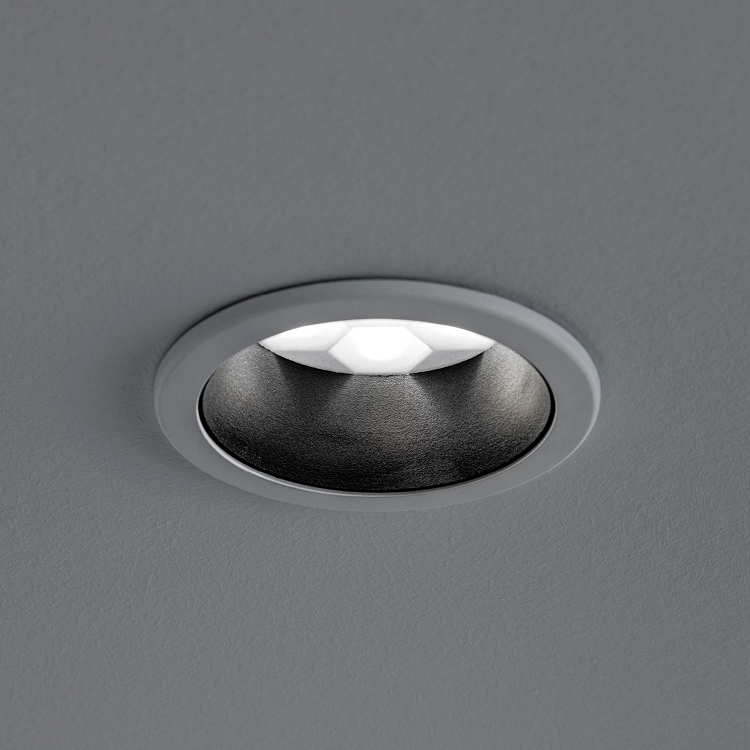
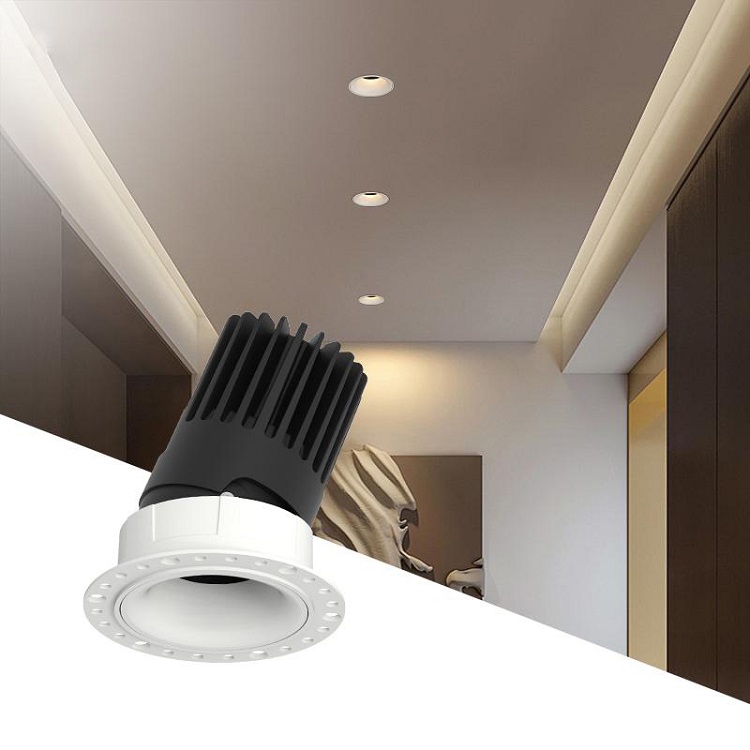
An ANTI GLARE LED DOWNLIGHT uses specialized optical structures to control light distribution and reduce direct visibility of the LED source.
Common design features include:
-
Deep-recessed light sources.
-
Reflector cups.
-
Anti-glare baffles.
-
Honeycomb louvers.
-
Specialized optical lenses.
-
Carefully designed beam angles.
These features help reduce direct exposure to intense light and create a more comfortable visual experience.
Key Differences
| Comparison | Standard LED Downlight | Anti-Glare LED Downlight |
|---|---|---|
| Optical design | Basic reflector or diffuser | Specialized glare-control structure |
| Light source visibility | Often more visible | Designed to reduce direct visibility |
| Visual comfort | Depends on design | Greater emphasis on glare control |
| Appearance | Functional | Often more architectural |
| Applications | General lighting | Offices, hotels, premium retail |
| Cost | Often lower | May be higher |
BUYING TIP: Do not evaluate a downlight based only on its appearance. Ask for photometric data, beam angle information, luminous intensity distribution, and applicable glare calculations.
3. Three Common Anti-Glare Technologies for LED Downlights
Different optical structures provide different glare-control effects. Understanding these technologies helps buyers select the right product for their projects.
3.1 Deep-Recessed Anti-Glare Design
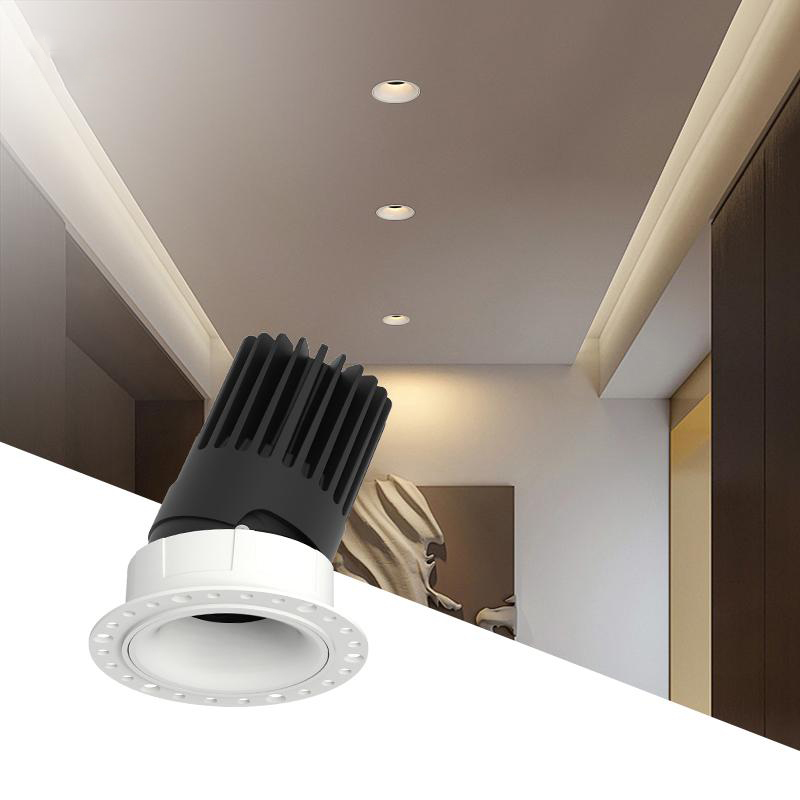
Deep-recessed downlights position the LED light source further inside the fixture housing.
This creates a shielding angle that reduces the direct visibility of the LED source from certain viewing positions.
MAIN ADVANTAGES:
-
Reduces direct exposure to the LED light source.
-
Creates a clean and minimalist ceiling appearance.
-
Suitable for architectural and hospitality lighting.
-
Works well with directional lighting applications.
Deep-recessed designs are commonly used in luxury hotels, residential developments, premium retail stores, and modern office interiors.
However, designers should also consider the optical efficiency and beam distribution because deeper recessing may affect the usable light output.
3.2 Honeycomb Anti-Glare Design
Honeycomb anti-glare structures use a grid-like optical accessory installed in front of the light source.
The individual cells help restrict light from certain viewing angles, reducing direct visibility of the LED source.
MAIN ADVANTAGES:
-
Helps control off-axis light.
-
Provides a more controlled lighting appearance.
-
Suitable for focused accent lighting.
-
Can improve visual comfort when properly designed.
Honeycomb louvers are particularly useful in commercial spaces where directional lighting is required, such as retail stores, art galleries, and showrooms.
However, the honeycomb structure may reduce light output. Buyers should compare the luminous efficiency of products with and without the accessory.
3.3 Reflector and Lens Optical Design
Reflectors and optical lenses are important components in modern anti-glare LED downlights.
A high-quality reflector can help control light distribution, while an optical lens can shape the beam angle and improve light direction.
Common configurations include:
-
Deep reflector cups.
-
Narrow-beam optical lenses.
-
Wide-beam optical lenses.
-
Anti-glare reflectors.
-
Combined reflector and baffle structures.
These designs allow manufacturers to develop different lighting effects for different commercial requirements.
THE BEST OPTICAL DESIGN DEPENDS ON THE APPLICATION, REQUIRED BEAM ANGLE, LIGHT OUTPUT, AND GLARE-CONTROL TARGET.
4. How to Choose Anti-Glare LED Downlights for Different Commercial Spaces
Different environments require different lighting strategies. Choosing the right COMMERCIAL LED DOWNLIGHT means considering the function of each space rather than selecting one fixture for every application.
4.1 Office Lighting
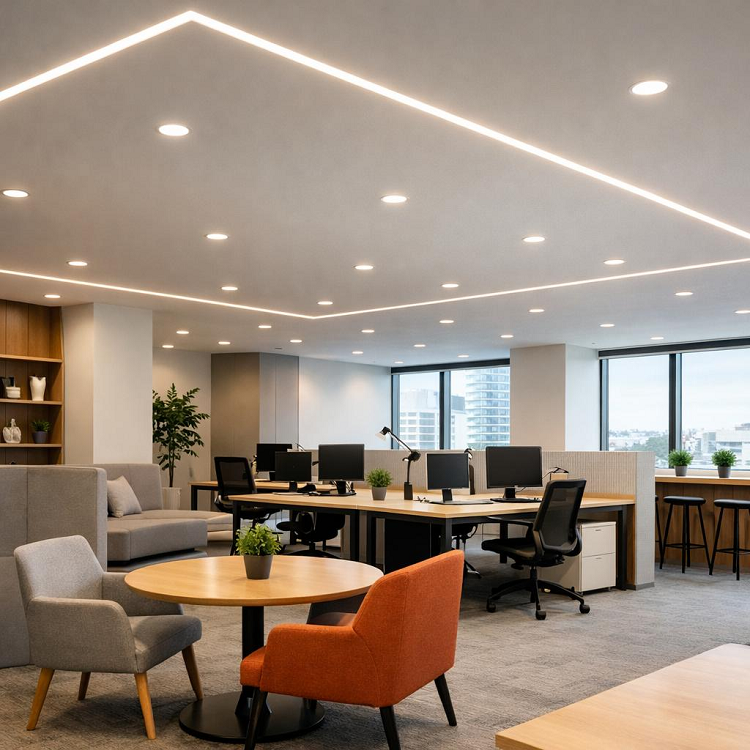
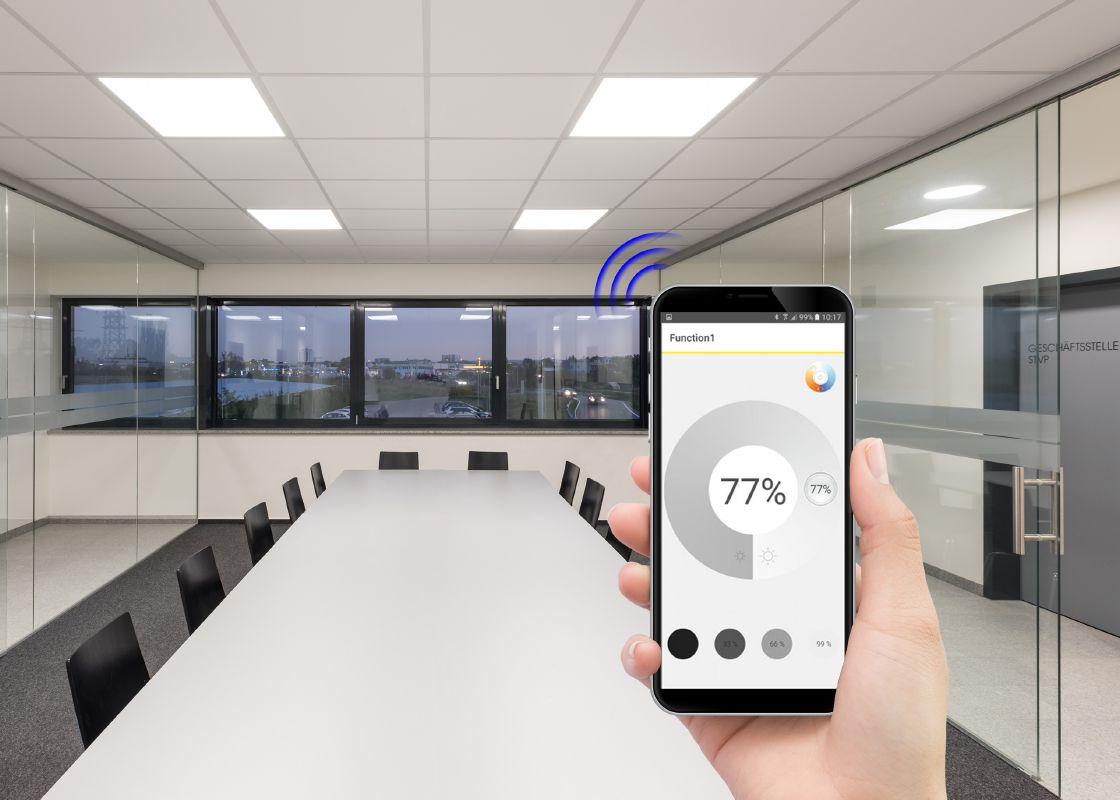
Office environments require comfortable lighting for employees who spend long periods reading, writing, and working with computer screens.
Recommended considerations include:
-
Appropriate glare control.
-
Uniform light distribution.
-
Suitable illuminance levels.
-
Consistent color temperature.
-
Flicker performance.
-
Compatibility with lighting controls.
A project may specify UGR<19 for certain office areas, but compliance must be verified through a complete lighting calculation.
RECOMMENDATION: Consider deep-recessed anti-glare downlights with appropriate optical shielding and a carefully designed lighting layout.
4.2 Hotel Lighting
Hotels require lighting that combines functionality, atmosphere, and visual comfort.
Different hotel areas may require different optical designs.
For example:
-
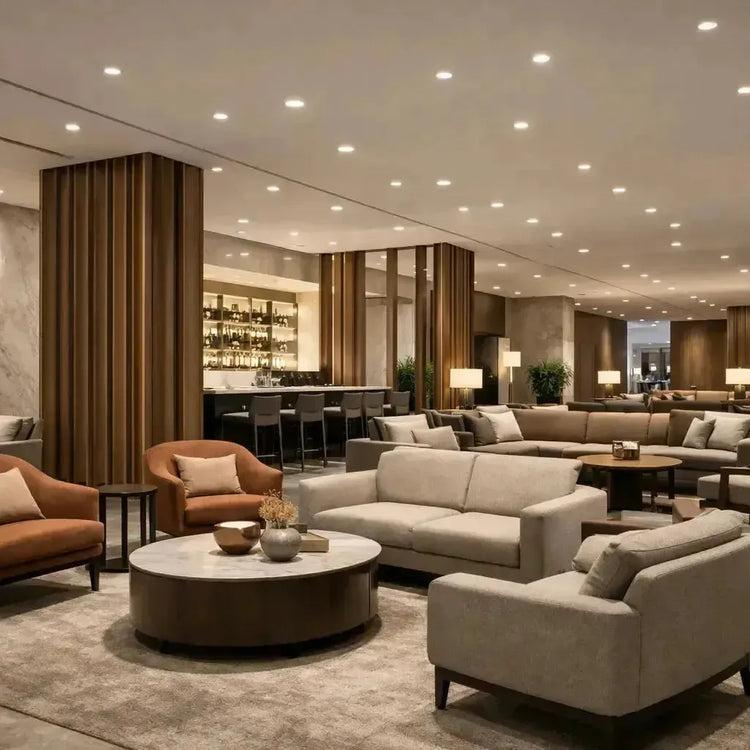
HOTEL LOBBIES: Deep-recessed downlights can create elegant ceiling lighting.
-
GUEST ROOMS: Warm white lighting helps create a relaxing atmosphere.
-
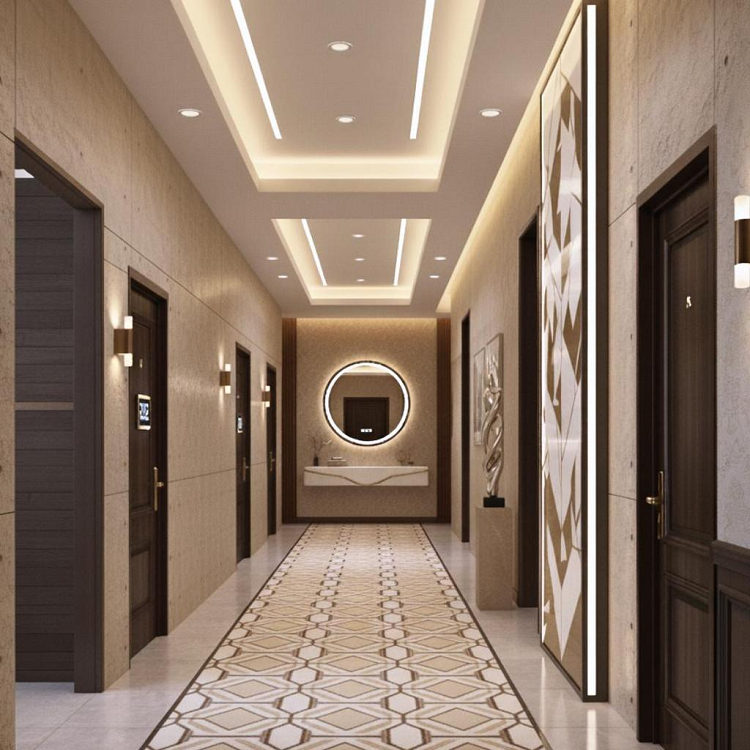
CORRIDORS: Controlled beam distribution can provide comfortable general illumination.
-
RESTAURANTS: Adjustable spotlights and anti-glare downlights can highlight architectural details and decorative features.
For luxury hospitality projects, designers often pay particular attention to color consistency, dimming performance, and the visual appearance of the fixtures.
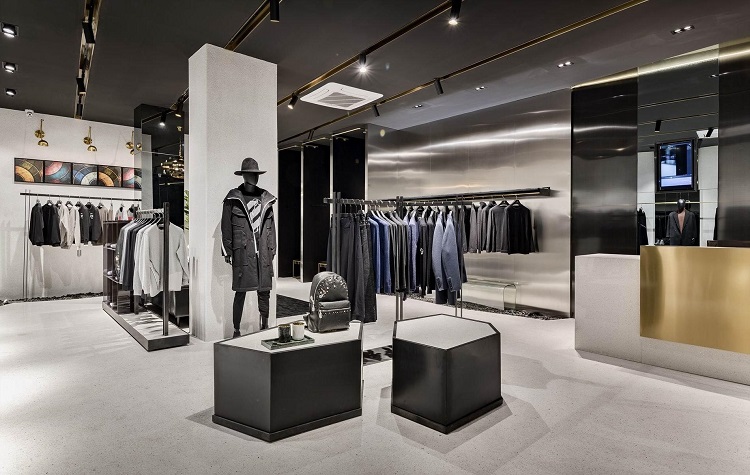
4.3 Retail Stores and Showrooms
Retail lighting should make products visually attractive while maintaining a comfortable shopping environment.
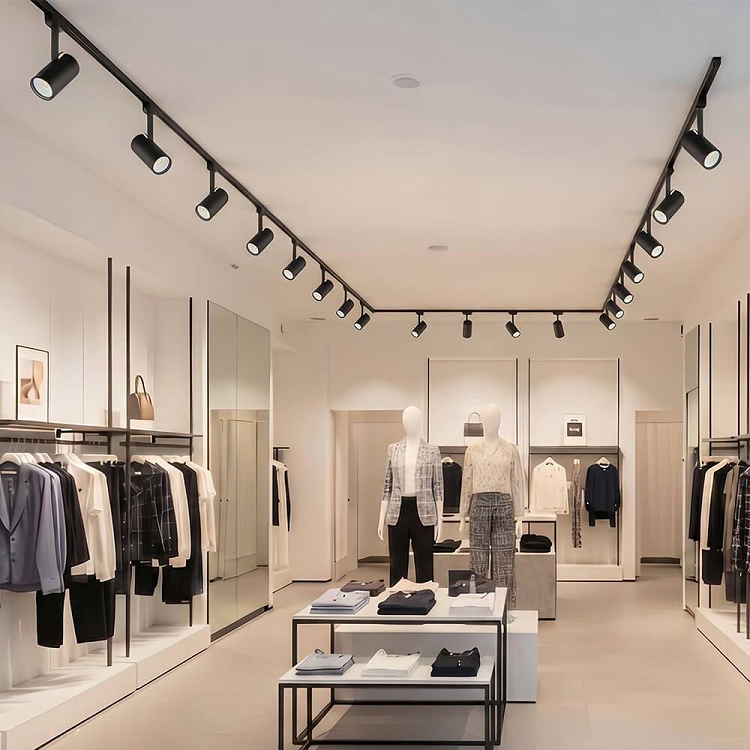
Anti-glare downlights can provide general illumination, while adjustable spotlights highlight merchandise and displays.
Important considerations include:
-
High CRI for accurate color presentation.
-
Suitable beam angles for different products.
-
Controlled glare for customer comfort.
-
Appropriate color temperature.
-
Flexible lighting arrangements.
For premium fashion stores, jewelry shops, and furniture showrooms, CRI 90 OR ABOVE may be preferred when accurate color rendering is important.
A combination of recessed anti-glare downlights and directional LED spotlights can create an effective layered lighting solution.
5. How to Evaluate the Anti-Glare Performance of LED Downlights
For importers, distributors, contractors, and lighting brands, choosing a reliable product requires more than reading marketing descriptions.
A professional evaluation should include several technical factors.
5.1 Request Photometric Data
Photometric information helps buyers understand how a luminaire distributes light.
Important documents and data include:
-
IES or LDT photometric files.
-
Polar intensity distribution curves.
-
Beam angle specifications.
-
Luminous flux.
-
Luminous intensity.
-
UGR calculation results where applicable.
IES AND LDT FILES are particularly useful because lighting designers can import them into professional lighting simulation software to evaluate real project conditions.
5.2 Check the Optical Structure
Ask the manufacturer about the actual optical design.
For example:
-
Is the LED source deeply recessed?
-
Does the fixture use a reflector or optical lens?
-
Is a honeycomb louver available?
-
What is the shielding angle?
-
Are different beam angles available?
These details help buyers understand how the product achieves its intended glare-control performance.
5.3 Evaluate Light Output and Efficiency
An anti-glare design should not be evaluated only by how dark or recessed the light source appears.
Some optical structures may reduce luminous output.
Buyers should compare:
-
Input power.
-
Delivered luminous flux.
-
Luminaire efficacy.
-
Beam distribution.
-
Thermal performance.
A GOOD ANTI-GLARE DOWNLIGHT SHOULD BALANCE VISUAL COMFORT WITH PRACTICAL LIGHTING PERFORMANCE.
5.4 Check Flicker and Dimming Performance
Commercial lighting projects may require dimming for different operating conditions.
Common options include TRIAC, 0-10V, and DALI, depending on the selected driver and product configuration.
Buyers should also evaluate flicker performance, particularly for offices, educational facilities, and other environments where people spend extended periods under artificial lighting.
5.5 Verify Product Quality and Certifications
For international B2B purchasing, product quality and regulatory compliance are essential.
Depending on the destination market, buyers may need to verify applicable CE, RoHS, EMC, LVD, or SAA requirements.
They should also ask about:
-
LED chip quality.
-
Driver reliability.
-
Heat dissipation.
-
Aging test procedures.
-
Electrical safety testing.
-
Product consistency.
ALWAYS CHECK THAT CERTIFICATES AND TEST REPORTS MATCH THE SPECIFIC PRODUCT MODEL AND APPLICABLE MARKET REQUIREMENTS.
6. Why Choose an Experienced LED Downlight Manufacturer?
Selecting the right manufacturer is an important part of any commercial lighting project.
A professional LED DOWNLIGHT MANUFACTURER should provide more than standard products. Technical support, product customization, quality management, and consistent production capabilities are also important.
When evaluating potential suppliers, consider the following:
Product Customization
Different projects may require different wattages, color temperatures, beam angles, reflector colors, and installation methods.
A manufacturer with OEM and ODM capabilities can help buyers develop products that match their target markets.
Quality Control
Reliable manufacturing processes should include incoming material inspection, production monitoring, electrical testing, and finished-product aging procedures.
Technical Support
Professional suppliers should be able to provide product specifications, photometric files, installation guidance, and technical documentation.
Certifications and Market Experience
Manufacturers with experience supplying international markets are often more familiar with different certification requirements and customer expectations.
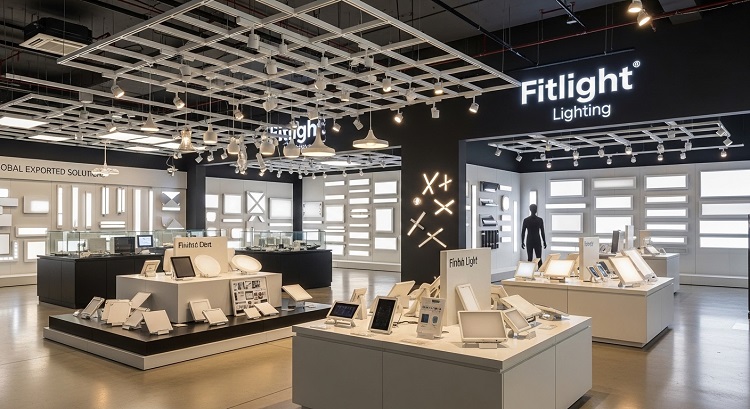
At FITLIGHT LIGHTING, we specialize in commercial LED lighting manufacturing, including LED downlights, LED spotlights, LED track lights, LED linear lights, and magnetic track lighting solutions.
Our product development and customization services support B2B customers looking for reliable commercial lighting products.
With OEM/ODM capabilities and a range of product configurations, we aim to help distributors, importers, lighting brands, and project contractors find suitable lighting solutions for different applications.
Visit our official website at https://www.fitlight-tech.com/ to explore our LED lighting products and manufacturing capabilities.
Conclusion
Choosing the right ANTI GLARE LED DOWNLIGHT requires a clear understanding of optical design, glare control, light distribution, and project requirements.
UGR is an important tool for evaluating discomfort glare in complete lighting installations, while anti-glare technologies such as deep-recessed structures, honeycomb louvers, and specialized reflectors help control the visibility and distribution of light.
For offices, hotels, retail stores, and other commercial spaces, the ideal solution should balance visual comfort, luminous efficiency, color quality, and installation requirements.
For B2B buyers, working with an experienced LED DOWNLIGHT MANUFACTURER can also simplify product selection, customization, and quality management.
Looking for a reliable supplier of anti-glare LED downlights for your next commercial project? Contact Fitlight to discuss your requirements and explore customized commercial LED lighting solutions.
Frequently Asked Questions (FAQ)
1. What is the difference between UGR and anti-glare LED downlights?
UGR is a standardized method for evaluating discomfort glare in a lighting installation. Anti-glare LED downlights use optical structures such as deep reflectors and honeycomb louvers to help reduce direct visibility of the light source.
2. What UGR rating is recommended for office lighting?
UGR<19 is a commonly specified glare limit for many office environments. However, the actual result depends on the complete lighting installation and should be verified through lighting calculations.
3. Do honeycomb LED downlights reduce glare?
Honeycomb louvers help restrict light from certain viewing angles and reduce direct visibility of the LED source. Their effectiveness depends on the optical design, viewing position, and application.
4. Are anti-glare LED downlights suitable for hotels?
Yes. They are commonly used in hotel lobbies, corridors, guest areas, restaurants, and other hospitality environments where visual comfort and architectural appearance are important.
5. How can buyers evaluate an anti-glare LED downlight manufacturer?
Check manufacturing experience, photometric data, product quality, testing procedures, customization capabilities, certifications, warranty terms, and technical support before placing an order.